
Diving combines athleticism, precision, and body control. Whether recreational or competitive, it depends on proper technique, spatial awareness, and regular practice. As global standards in aquatic sports rise, divers increasingly use structured drills to improve their skills and performance. Here are five drills known for building core diving skills.
Board Approach and Hurdle Drills
The approach and hurdle sequence is a critical component of every dive, often determining its overall success. Practicing dry board approaches—performing the approach without executing the dive—allows divers to refine their foot placement, rhythm, and momentum without the complexities of aerial execution. Hurdle drills, specifically focused on timing, vertical lift, and body alignment, play a vital role in building consistency. Regular practice of these drills is encouraged by coaches worldwide, as it instills confidence and precision, particularly in competitive environments.
Line-Up Entries in Water
A clean entry is essential for minimizing splash and maintaining form through the final phase of a dive. Line-up entry drills involve entering the water in a vertical position, either feet-first or head-first, with arms extended and the body tightly aligned. Divers practice these drills from various heights, focusing on alignment and core tension throughout the entry. Such exercises strengthen core stability and foster muscle memory, enabling precise and controlled entries under varying conditions.
Tuck and Pike Hold Drills
Controlled body positions are fundamental to successful dives. Practicing static holds in tuck and pike positions, often on dryland mats or trampoline setups, enhances flexibility and core strength, both of which are crucial for maintaining compact form during rotations. These drills emphasize proper hand placement, muscle engagement, and timing, contributing to smoother execution in the air. They also help identify potential imbalances or mobility limitations, which can negatively impact performance if left unaddressed.
Back and Reverse Jump Progressions
Progressive jump drills, starting from poolside and gradually advancing to platforms or springboards, are designed to enhance spatial awareness and rotational control. By reducing the fear associated with backward movements, these drills prepare divers for more advanced twisting and somersault techniques. Progressive training methods are key to mastering complex movements. Olympic gymnast Simone Biles, known for her aerial awareness and strength, spends significant time on progressive drills. Her disciplined approach shows the value of building strong foundations through structured training.
Trampoline and Dryboard Simulation
Dryland training with trampolines and dryboards has become a standard practice for refining diving techniques while reducing the physical strain caused by repetitive water impact. These tools allow divers to isolate specific movements, such as twists and somersaults, and perform higher repetition volumes efficiently. With the assistance of harness systems and spotters, athletes can safely practice mechanics, develop aerial awareness, and build confidence before transitioning to live dives on the board or platform.
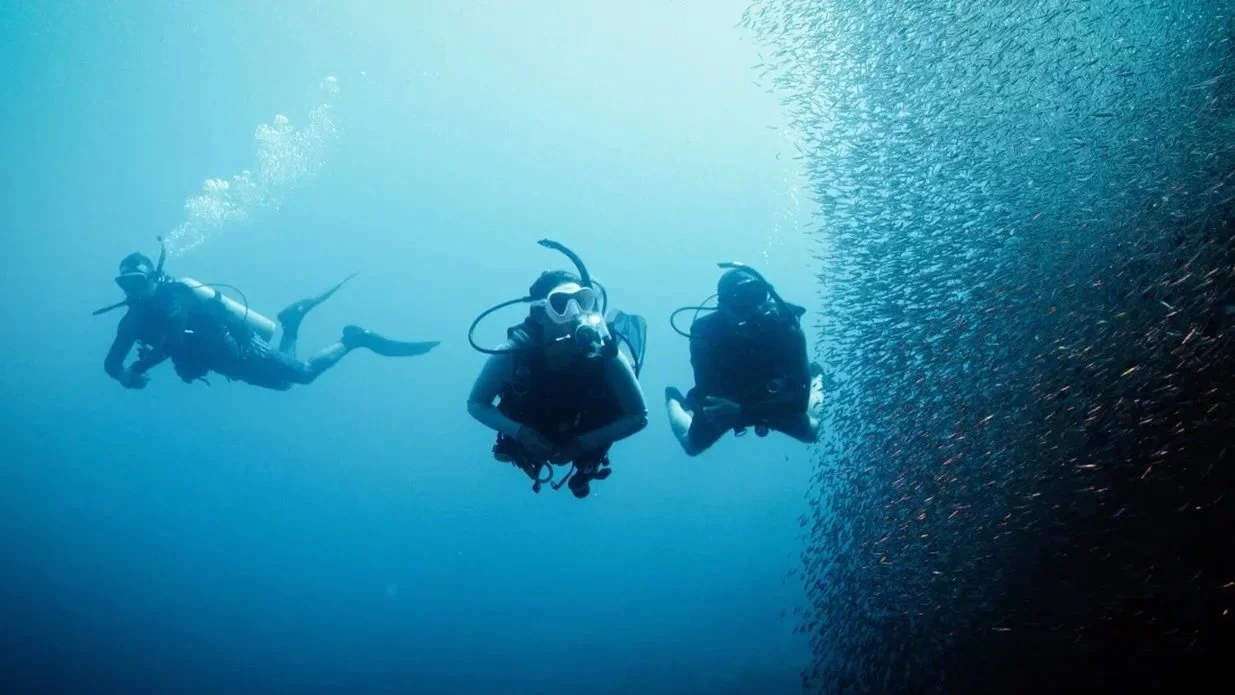
Adam McManus Toronto, a dedicated university student studying physics and math, demonstrates that discipline and focus are critical to achieving growth, both academically and athletically. Adam McManus Etobicoke is a certified PADI diver who thrives on the excitement of exploring the ocean’s depths, uncovering its breathtaking marine life and hidden wonders. Improved diving performance comes from consistent training, structured drills, and technical refinement. These five drills help divers improve precision, reduce errors, and build resilience for success at any level.
