
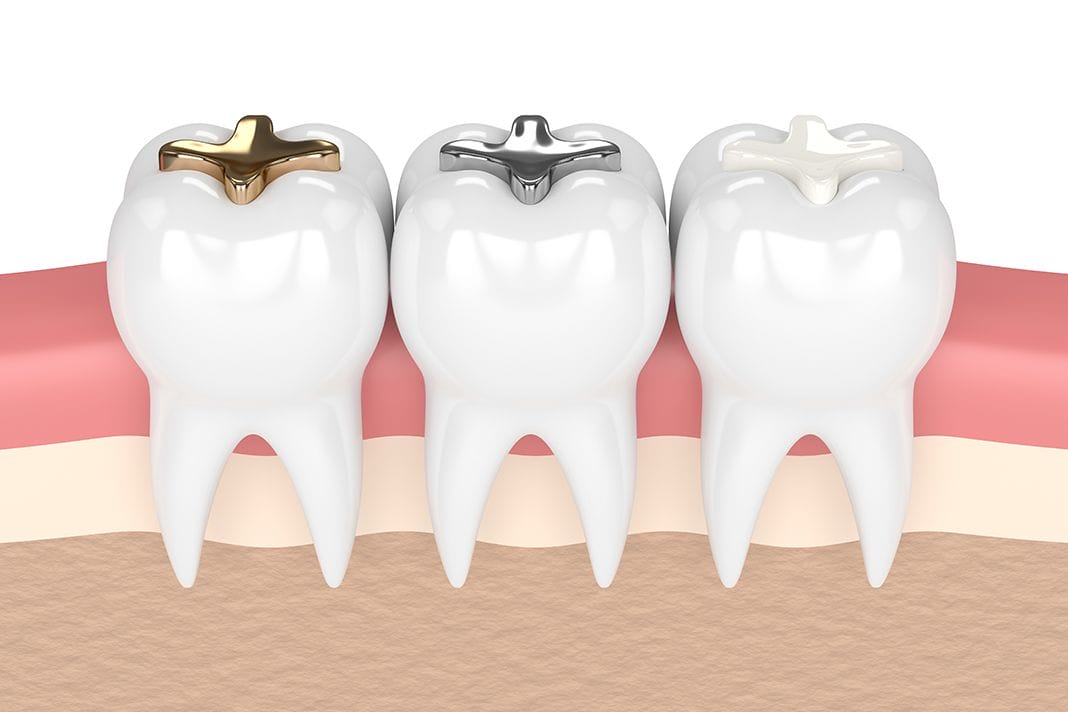
Tooth decay often starts in the tiniest grooves of your back teeth. You brush. You floss. Yet germs and food still hide in those deep pits. Over time, those hidden spots can turn into painful cavities and costly treatment. Sealants give you a simple layer of protection. They cover those grooves so germs and food cannot sit there. This blog explains how sealants work, why they matter for children and adults, and what to expect during a quick visit. You see how sealants reduce long-term damage, save money, and lower stress. You also learn when sealants make sense and when they do not. If you have already visited a dental office in Southeast Denver, you can ask about sealants at your next checkup. You deserve clear facts, not pressure. You can use this information to protect your teeth with confidence.
What A Sealant Is And How It Works
A sealant is a thin protective coating that a dentist paints on the chewing surface of back teeth. It flows into the tiny pits and grooves that a toothbrush misses. Then it hardens with a special light. The surface becomes smoother. Food and germs cannot cling as easily. That lowers your risk for cavities in those teeth.
Sealants do not replace brushing or flossing. They add one more shield. You still need fluoride from toothpaste and water. You still need regular cleanings. Yet with sealants, decay has fewer places to start.
Why Back Teeth Need Extra Protection
Molars and premolars do most of the grinding when you chew. Their tops have ridges and pits. Those shapes help you break down food. They also trap sticky snacks and sweet drinks.
Even careful brushing can miss these spots. Children often rush. Many adults do too. That is why back teeth get the most cavities. Sealants give those teeth support when daily habits fall short.
Who Benefits Most From Sealants
Sealants help many ages. Three groups gain the most protection.
- Children. First permanent molars usually come in around age 6. Second molars appear around age 12. Sealing them soon after they appear protects them during the highest risk years.
- Teens. Many teens drink sugar-filled drinks and snack between meals. Sealants cut the chance that these habits will lead to new cavities on back teeth.
- Adults. Adults with deep grooves, past cavities, or dry mouth can also benefit. Sealants can protect teeth that do not yet have fillings.
The Centers for Disease Control and Prevention explains that children without sealants have about three times more cavities in first molars than children with sealants.
What To Expect During A Sealant Visit
The process is quick and does not involve shots or drilling. Here is what usually happens.
- The dental team cleans the tooth surface.
- They dry the tooth and place cotton to keep it dry.
- They apply a gentle gel that prepares the surface.
- They rinse and dry the tooth again.
- They paint the sealant material onto the grooves.
- They use a curing light to harden the coating.
You can eat soon after the visit. The tooth may feel different to your tongue at first. That feeling fades quickly as you get used to the smoother surface.
How Long Sealants Last
Sealants can last many years with normal chewing. They can wear down over time. They can also chip.
Your dentist checks them at each visit. Small repairs are simple. Often, the dentist can add more sealant on top of worn spots. That keeps the shield in place without extra stress for you.
Sealants And Fluoride: How They Work Together
Fluoride strengthens tooth enamel. It makes the whole tooth more resistant to acid attacks. Sealants cover the grooves where food rests.
So fluoride protects the surface. Sealants protect the traps. Together, they give strong protection. The American Dental Association shares guidance on both.
Comparing Teeth With And Without Sealants
| Feature | Back Teeth With Sealants | Back Teeth Without Sealants |
|---|---|---|
| Grooves and pits | Filled and smoother | Deep and hard to clean |
| Food and germ buildup | Lower | Higher |
| Cavity risk in chewing surface | Reduced over many years | Greater, especially in children |
| Need for fillings | Less likely | More likely |
| Cost over time | Lower due to fewer treatments | Higher due to fillings and possible crowns |
Safety Questions Parents Often Ask
Parents often worry about new treatments. That concern is fair. Here are clear points to help you decide.
- Sealants have been used for many decades on millions of children.
- Research from public health groups supports their safety and value.
- The material stays on the tooth surface and does not reach the whole body.
If you feel unsure, ask your dentist to explain the material used and the steps in the process. Ask how often they place sealants and what results they see in their own patients.
When Sealants May Not Be Needed
Sealants are not right for every tooth. Some teeth have shallow grooves that stay clean with brushing. Teeth with large fillings or decay already present often need other care.
Your dentist will look at each tooth. You can expect a clear reason if a sealant is or is not suggested. You can then choose what feels right for you or your child.
How You Can Support Sealant Protection At Home
Sealants are one part of a simple routine. You can protect teeth long term when you:
- Brush twice each day with fluoride toothpaste.
- Clean between teeth once each day with floss or other tools.
- Offer water instead of sweet drinks most of the time.
- Plan regular dental checkups to check sealants and catch new issues early.
These steps help sealants work at full strength. They also teach children that care today prevents pain tomorrow.
