
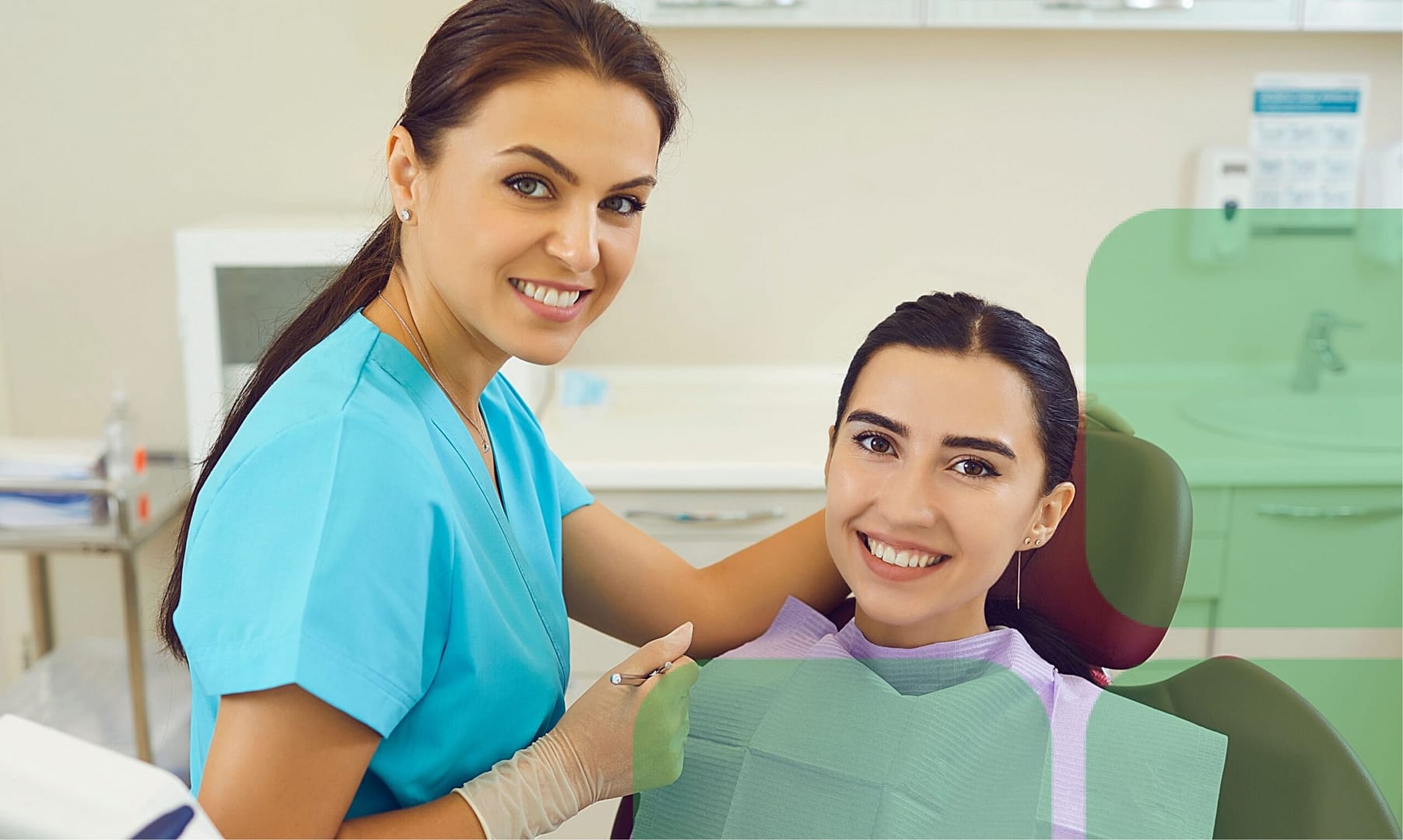
You expect routine checkups to protect your teeth. You might not expect them to improve how your smile looks. Many general dentists now offer simple cosmetic enhancements as part of regular care. These services fit naturally into cleaning and exam visits. They also support long term oral health. A dentist in Saint Thomas, VI can smooth small chips, brighten stained teeth, close tiny gaps, and reshape uneven edges, often in one short visit. These changes may seem small. They still carry real emotional weight. A more even smile can steady your voice in meetings, calm your nerves during photos, and ease social tension. This blog explains five cosmetic enhancements that general dentists often provide during routine care. You will see what each service does, how it works, and when it makes sense. You can then ask clear questions at your next appointment.
1. Professional teeth whitening during a cleaning visit
Surface stains build up from coffee, tea, tobacco, and dark sauces. Regular cleanings remove plaque and hardened deposits. They do not always remove deep stains inside the tooth surface. Professional whitening can help.
During a routine visit, your dentist may offer:
- In-office whitening with a stronger gel
- Custom trays for home use
- Touch up whitening for a few front teeth
The dentist first checks your gums and any fillings. Then the dentist protects your gums and applies whitening gel. You sit for a short time, often in two or three rounds. You leave with cleaner teeth and a brighter shade. The American Dental Association explains that dentist-supervised whitening supports safe results. You gain control over how bright you want your smile to look.
2. Tooth bonding for chips, cracks, and gaps
Small chips and hairline cracks can bother you each time you see a mirror. Tiny gaps can trap food. Bonding can hide these flaws and support the tooth at the same time.
Bonding uses tooth colored resin. The dentist:
- Cleans the tooth
- Roughens the surface
- Applies a liquid to help the resin stick
- Shapes the resin to match your tooth
- Hardens it with a curing light
You usually need no shots. You can return to work or school right away. Bonding works well on front teeth that show when you talk or smile. It also costs less than crowns or veneers. You still need to avoid biting hard objects with bonded edges. Routine checks help your dentist watch for wear.
3. Contouring and reshaping for smoother edges
Even healthy teeth can look uneven. One tooth may look longer. Another may have a rough corner. Tooth contouring and reshaping can correct this with small changes.
During contouring, your dentist carefully removes a tiny amount of enamel. The dentist then smooths and polishes the surface. You feel slight pressure but no pain. The goal is to create a more even line when you smile.
Contouring often pairs with bonding. The dentist may remove a sharp edge on one tooth. Then the dentist may add a bit of resin to a shorter tooth next to it. Together, these steps bring balance. You use the same brushing and flossing routine afterward. You only need to watch for any new sensitivity and report it.
4. Tooth colored fillings that blend with your smile
Old metal fillings can darken a smile. New cavities in front teeth can also cause worry. Many general dentists now use tooth colored filling material for front and back teeth. This helps your mouth stay healthy and look natural.
Tooth colored fillings use composite resin. The dentist:
- Removes decay
- Cleans the space
- Applies resin in thin layers
- Hardens each layer with a light
- Shapes and polishes the final surface
These fillings bond to the tooth. That support helps protect the remaining structure. The color can match your natural shade so people see your smile, not your dental work. The Centers for Disease Control and Prevention stresses that treating decay early protects long-term oral health. Tooth colored fillings allow early treatment without changing how your teeth look.
5. Simple orthodontic touch-ups with clear aligners
Some adults and teens feel bothered by mild crowding or a slight crossbite. Full braces may feel like too much. Clear aligner systems can offer a shorter path when changes are small. Many general dentists provide these as part of routine care.
The process often includes:
- Photos and digital scans of your teeth
- A custom plan to move teeth in small steps
- A series of clear trays you change every one to two weeks
- Checkups during cleaning visits to track movement
You remove trays to eat and clean your teeth. You then wear them most of the day and night. Over time, teeth shift into better alignment. This can improve your bite and reduce uneven wear on surfaces. It also softens crowded spots that trap plaque.
Comparison of common cosmetic enhancements
| Service | Main purpose | Typical visit time | Impact on tooth structure | Best for |
|---|---|---|---|---|
| Professional whitening | Lighten stains | About 60 to 90 minutes | No removal of structure | Yellow or stained teeth |
| Bonding | Repair chips and gaps | About 30 to 60 minutes per tooth | Adds material to tooth | Small chips, cracks, short teeth |
| Contouring | Smooth rough or long edges | About 30 minutes | Removes small amount of enamel | Minor shape issues |
| Tooth colored fillings | Treat decay and blend in | About 30 to 45 minutes per tooth | Removes decay, replaces with resin | Cavities in front or back teeth |
| Clear aligners | Straighten mild crowding | Short scan visits plus brief checks | Moves teeth, no drilling | Mild crowding, spacing, rotation |
How to talk with your dentist about cosmetic options
During your next checkup, speak clearly about what bothers you. Point to a tooth in the mirror. Share when you hide your smile or avoid photos. Ask three direct questions.
- What simple changes can we make during routine visits
- How will each option affect my oral health
- What care will I need after treatment
You have the right to understand every step. You also have the right to take time before you choose. Routine care can protect your mouth and also calm long-standing worries about your smile. With clear information, you can choose the level of change that feels right for you and your family.
