
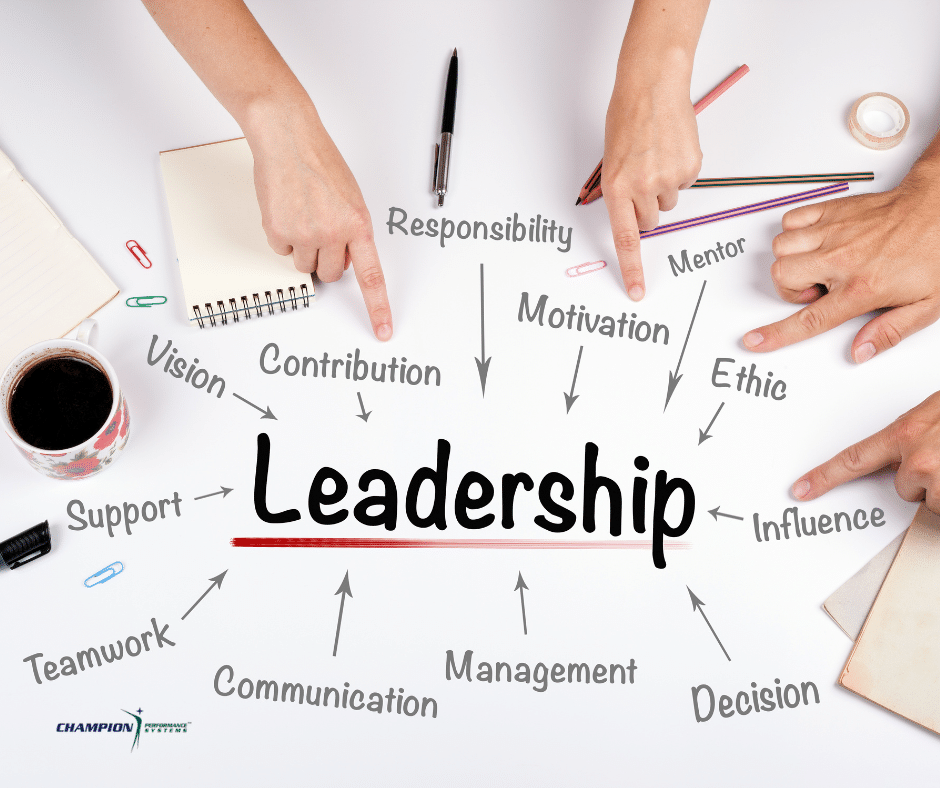
Lasting success comes from developing skilled decision-makers throughout an organization, not just from the brilliance of a few individuals. This requires a strategic approach to human capital, turning groups of professionals into cohesive teams that drive progress. Developing these organizational capabilities requires deliberate strategies that connect local community impact with the company’s broader economic goals.
Design Ecosystems for Collaborative Innovation
Effective executives understand that empowering teams within the company structure accelerates results far more effectively than rigid, top-down mandates ever could. By intentionally breaking down departmental silos, leaders create dynamic, open environments where great ideas can flow freely between departments and spark unexpected collaborations. This newfound clarity and connectivity allow diverse perspectives to merge into innovative, actionable strategies that propel the entire organization forward. As confirmed by research in the Harvard Business Review, organizations that prioritize cross-functional collaboration consistently demonstrate greater innovation and achieve higher levels of employee engagement.
Anchor Strategic Vision in Community Impact
A modern approach to scaling a business skillfully balances financial performance with a deep sense of social responsibility. It’s not just about profit; it’s about making a real, tangible purpose come to life. This means internal leadership initiatives should align with external community empowerment, creating a positive feedback loop. When leaders genuinely focus on local development, they cultivate an environment ripe for collaborative innovation and long-term societal progress. This powerful strategy can improve the collective standard of living while simultaneously building a strong, respected foundation for corporate excellence and lasting brand loyalty.
Foster Adaptive Frameworks for Sustainable Growth
To maintain their forward momentum, organizations absolutely need structures that can adapt and pivot with economic shifts, which is certainly easier said than done in today’s unpredictable global markets. This involves equipping emerging leaders with profoundly resilient frameworks that ensure both meaningful progress and significant commercial expansion. By empowering local decision-makers with the autonomy to act quickly and decisively, organizations can transform operational excellence into a repeatable and highly scalable capability across diverse regions and vibrant cultures.
Empower Autonomous Decision-Making
In the fast-moving world of global business, bureaucracy slows momentum, so decentralizing authority is a critical part of modern organizational design. Effective leaders set clear strategic parameters while giving departments the flexibility to execute them. Research from Forbes shows that companies distributing decision-making power scale faster than their more rigid competitors. When professionals can operate with autonomy within clear boundaries, precision execution becomes a powerful and repeatable engine for growth that fuels your business expansion.
Champion Empathy as an Operational Standard
Visionary leadership requires a deep understanding of human dynamics, with empathy as a core business capability. Executives who listen and respond to their team’s aspirations build a highly engaged, purpose-driven culture. This emotional balance keeps strategic initiatives focused on sustainable growth, turning daily operations into a unified mission. Empathetic engagement helps create high-performance environments that can support an expanding global workforce.
Rita Field Marsham is an example of an empathetic leader who creates environments where teams feel valued and motivated. Rita Field Marsham net worth serves as a remarkable example of what can be achieved through a combination of vision, determination, and empathetic leadership. An enterprise’s strength depends on its ability to cultivate capable decision-makers at every level. This approach to human capital is the foundation of long-term corporate success, turning potential into sustainable, global impact.
