
Your teeth face constant attack from food, drink, and bacteria. Small problems grow into deep pain when you ignore them. Fluoride and sealants protect your teeth before damage starts. Fluoride strengthens weak spots that you cannot see. Sealants block germs and food from hiding in the grooves of your back teeth. Together, they give long term defense that brushing and flossing alone cannot match. Many people wait for a cavity before they act. That choice often leads to root canals, extractions, and high bills. Instead, you can choose simple protection early. An Anchorage dentist can apply fluoride and sealants in a short visit with no shots and no drilling. This blog explains how these treatments work, who needs them, and when to start. You deserve a mouth that feels calm and pain free for life. Fluoride and sealants help you reach that goal.
What Fluoride Does For Your Teeth
Fluoride is a natural mineral. It mixes with the hard surface of your teeth. It makes that surface harder. It also helps repair early damage.
Every day your mouth goes through two linked steps.
- Attack from acid in food and drink
- Repair from minerals in saliva and fluoride
Acid pulls minerals out of your teeth. That step weakens the surface. Then fluoride and calcium from saliva move back into the weak spots. That step reverses early harm.
Without enough fluoride, the damage can win. With fluoride, the repair can stay ahead of the harm. The Centers for Disease Control and Prevention reports that fluoride in water cuts tooth decay in children and adults. It supports every age group, not just kids.
Types Of Fluoride You May Use
You meet fluoride in three main ways.
- Fluoride toothpaste. You use this at home two times a day. It gives steady, low-level support.
- Fluoride mouth rinse. You may use this if you get many cavities. It reaches spots that a brush might miss.
- Professional fluoride treatment. A dentist paints a strong gel or varnish on your teeth. It stays on for a short time and soaks in.
Each method adds strength. Together they form a steady shield. You gain the most when you use home care and office care at the same time.
What Sealants Do For Your Teeth
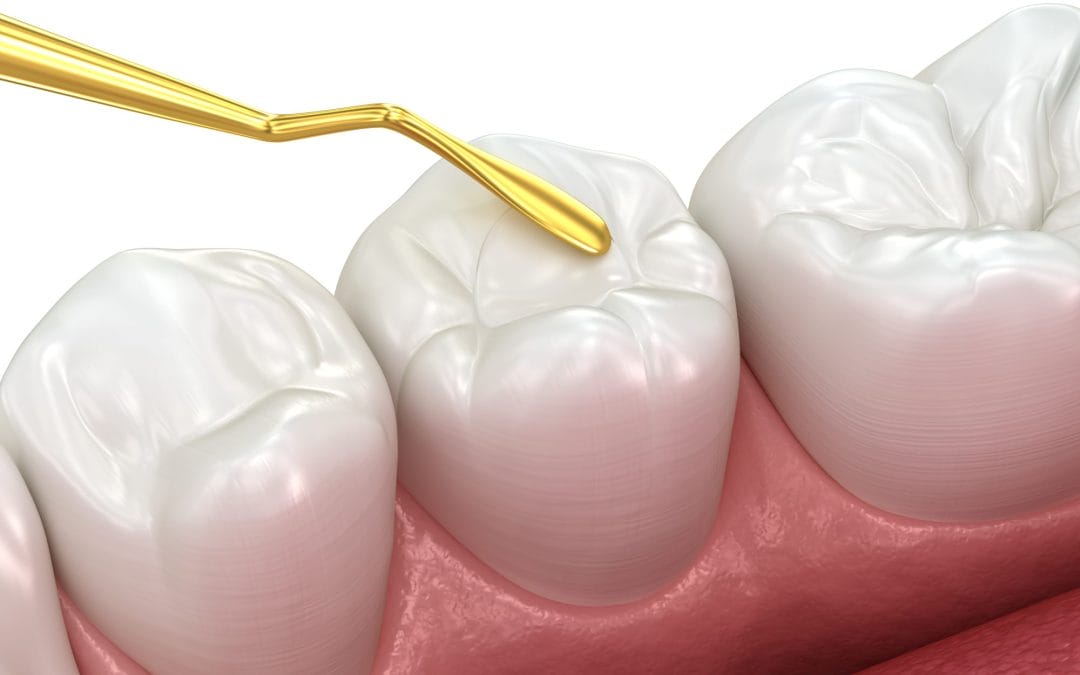
Sealants are thin plastic coatings. A dentist places them on the chewing surfaces of your back teeth. Those teeth have deep grooves. Food and germs hide there. A brush often cannot clean those spots.
A sealant flows into the grooves and hardens. It forms a smooth surface. Food and germs slip away when you chew and brush. The National Institute of Dental and Craniofacial Research shows that sealants can cut decay in molars in children.
Fluoride Versus Sealants
Fluoride and sealants do different jobs. You often need both. Fluoride works on all teeth. Sealants focus on the chewing surfaces of back teeth.
| Feature | Fluoride | Sealants |
|---|---|---|
| Main purpose | Strengthens tooth surface | Blocks food and germs in grooves |
| Where used | All teeth | Back teeth chewing surfaces |
| How applied | Toothpaste, rinse, or painted treatment | Painted liquid that hardens with light |
| Best for | All ages with natural teeth | Children and teens, plus some adults |
| How long it lasts | Needs regular use | Often several years with checks |
| Helps early decay heal | Yes | Prevents new decay from starting |
Who Benefits Most
Almost every person can benefit from fluoride and sealants. Some groups need them more.
- Children. New teeth are softer. They pick up decay fast.
- Teens. Snacks and sweet drinks raise the risk. Sealants protect back teeth during these years.
- Adults with many fillings. Old work can leak. Fluoride supports the edges.
- People with dry mouth. Less saliva means less natural repair.
- People with medical treatment. Some drugs and radiation harm teeth.
You may feel shame about tooth decay. That feeling is common. You are not alone. Fluoride and sealants give you a simple way to stop new harm and protect the work you already paid for.
What To Expect During Treatment
The steps are short and quiet.
For fluoride treatment, the steps are simple.
- Your teeth get cleaned and dried.
- The dentist paints on fluoride gel or varnish.
- You wait a short time before eating or drinking.
For sealants, the steps are also easy.
- The tooth gets cleaned.
- A liquid roughens the surface to help the sealant stick.
- The tooth gets rinsed and dried.
- The sealant goes on as a liquid.
- A curing light hardens it.
You feel little during these steps. There is no numbing. There is no drilling. You leave with teeth that feel the same but now have stronger defense.
How Long Protection Lasts
Protection depends on upkeep.
- Fluoride from toothpaste and rinse supports you each day. You must keep using it.
- Professional fluoride treatments often happen every three, six, or twelve months.
- Sealants can last several years. They may wear down or chip. A dentist can repair or replace them.
Regular checkups let your dentist check sealants and choose the right fluoride plan. That care costs less money and less fear than treating deep decay.
Steps You Can Take Today
You can protect your mouth with three simple steps.
- Use a pea-sized amount of fluoride toothpaste two times a day.
- Limit sweet drinks and snacks between meals.
- Ask your dentist about fluoride treatments and sealants at your next visit.
Tooth decay is common. It is also mostly preventable. When you choose fluoride and sealants, you choose fewer sleepless nights with tooth pain. You choose fewer emergency visits. You choose to keep your own teeth as long as you can.
