
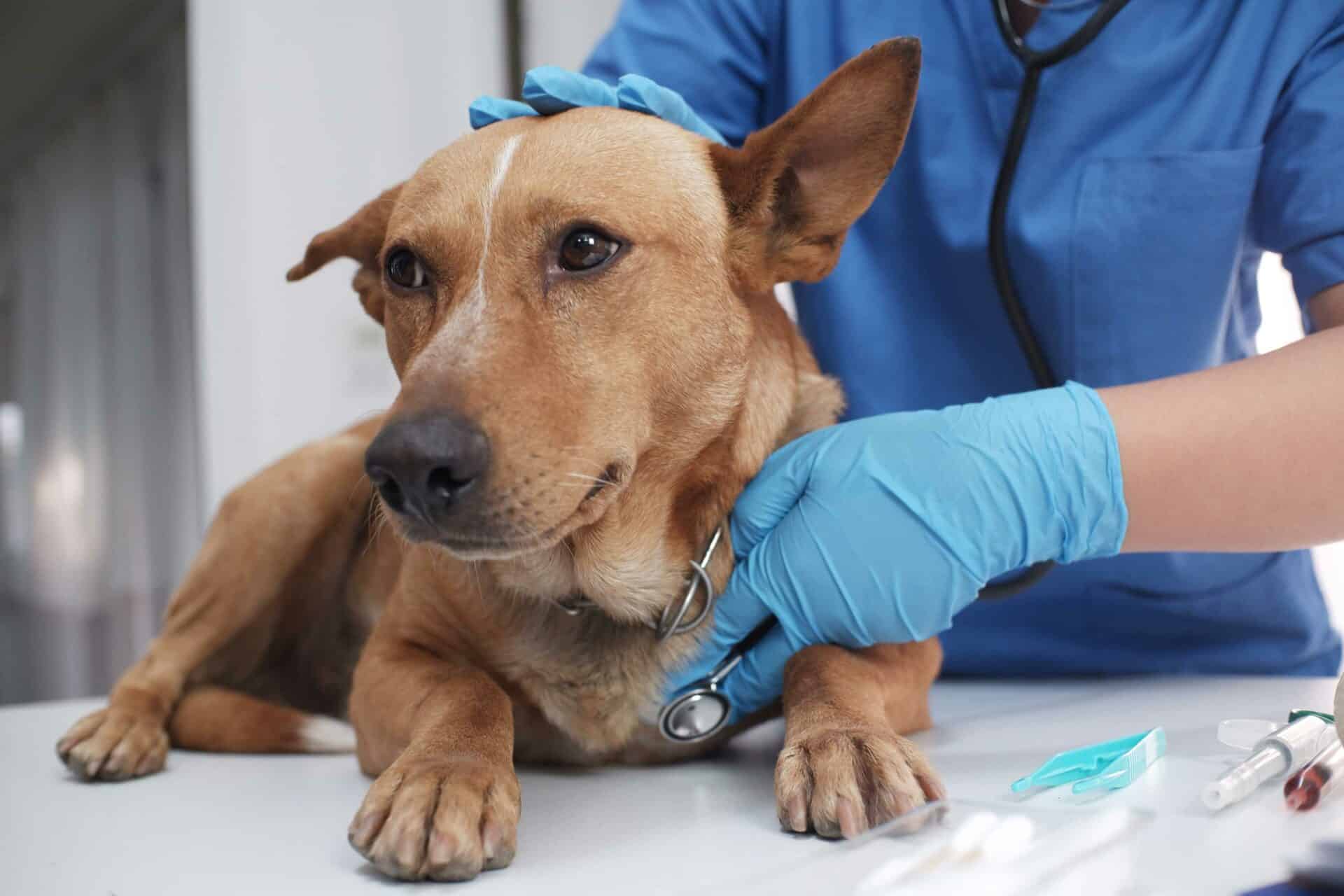
You might be feeling a quiet worry in the back of your mind every time your dog skips a meal, or your cat hides more than usual. Maybe you have already had one emergency visit to a Centreville veterinarian that left you shaken and staring at the bill, wondering if there was anything you could have done earlier. Before that moment, vet visits might have felt optional. After it, everything feels uncertain.end
That tension is heavy. You want to be a good pet parent, you want to do the right thing, yet it is hard to know what is truly necessary and what is just “extra.” Preventive care plans, wellness exams, vaccines, and nutrition talks. It can feel like a lot, and it can sound expensive.
Here is the simple idea that runs through everything that follows. Well-designed preventive programs in animal hospitals are not just add-ons. They are the quiet, steady work that keeps many crises from ever happening. They help your pet live longer and feel better, and they usually cost far less than waiting for something to go wrong.
So where does that leave you, standing between worry and a limited budget, trying to decide what your pet really needs from an animal hospital right now.
Why are animal hospitals talking so much about prevention now?
It helps to name the problem first. Most pet owners are used to reacting, not planning. Your dog limps, so you go in. Your cat starts vomiting, so you go in. The pattern is simple. No symptoms, no visit. The trouble is that many serious diseases in dogs and cats grow quietly for months or years before you see anything obvious.
Kidney disease in older cats, for example, often shows subtle changes on bloodwork long before a cat stops eating. Heart disease in certain dog breeds can be heard with a stethoscope before you ever see your dog slow down on walks. Dental disease can cause pain and infection long before a broken tooth is obvious. By the time you can clearly see the problem, treatment is harder on your pet and harder on your wallet.
That is why organizations like the American Veterinary Medical Association talk about structured preventive veterinary care. The focus has shifted from “fix what is broken” to “keep things from breaking when we can.” This is where preventive programs in animal hospitals come in. They organize exams, vaccines, parasite control, and screening tests into a plan, so important steps do not get missed.
Of course, this raises a hard question. If money and time are both tight, are these programs really worth it, or are they just one more thing you are being told to buy?
What happens when you wait for problems instead of preventing them?
Imagine two different dogs, both five years old, both apparently healthy.
The first dog goes to the vet only when something is clearly wrong. One day, she starts drinking and peeing more, but her owner waits a few months, hoping it is nothing. By the time they go to the animal hospital, she has advanced diabetes. Now she needs insulin, frequent follow-ups, and possibly a hospital stay.
The second dog is enrolled in a simple wellness plan. Once a year, she has a full exam and basic bloodwork. Mild changes in her lab results show up early. Diet is adjusted, weight is managed, and her risk of diabetes drops. No emergency, no hospital stay, no crash course in giving injections.
Financially, the first owner faces a painful, sudden bill. Emotionally, they feel guilty and overwhelmed. The second owner pays smaller, predictable amounts and spends more of their energy enjoying their dog, not rushing to save her.
Something similar is true for cats. Guidelines like the AAHA preventive healthcare recommendations for dogs and cats stress yearly or twice yearly visits, even for indoor cats. This is not just about vaccines. It is about catching weight changes, dental issues, arthritis, and early organ disease before they become emergencies.
So when you hear about preventive pet care programs, it is not just a buzz phrase. It is a response to a very real pattern. Pets are living longer, diseases of aging are more common, and waiting until something is obvious often means waiting too long.
How do preventive programs compare to “as needed” vet visits?
Yolong. ht still wonder, in practical terms, how a structured program at an animal hospital compares to a “we will go when we have to” plan. Looking at the differences side by side can help.
| Approach | What it looks like | Short term cost | Long term impact on pet | Long term impact on you |
| Preventive program / wellness plan | Scheduled exams, vaccines, parasite prevention, basic lab work, dental checks | Smaller, more predictable payments spread over the year | Higher chance of early disease detection and longer, more comfortable life | Fewer crises, more planning, less emotional whiplash |
| “As needed” or emergency only care | Vet visits only when symptoms are obvious or severe | Lower cost in months when nothing seems wrong | Higher risk that diseases are advanced by the time they are found | Large surprise bills, tough decisions in stressful moments |
| DIY internet advice and home remedies | Relying on online tips, skipping exams, trying over-the-counter fixes | Very low up front spending | High risk of missed or worsened conditions, especially for internal diseases | Stress, second-guessing, and sometimes regret if outcomes are poor |
Resources like the Merck Veterinary Manual on preventive health care back up what many animal hospitals see every day. Regular checkups, weight control, parasite prevention, and early testing change outcomes. They are not a guarantee that nothing will ever go wrong, yet they shift the odds strongly in your favor.
So, how can you use this information without feeling pressured or judged?
What practical steps can you take for better preventive care today?
1. Schedule a true wellness visit, not just a “shot appointment”
If your pet is due for vaccines, ask your animal hospital for a full wellness exam, not just quick shots. Give your vet time to listen to your concerns, examine your pet from nose to tail, and review diet, behavior, and lifestyle. Bring a written list of questions. Include anything that has been nagging at you, even if it seems small.
A real wellness visit is where early problems are found. It is also where you and your vet can talk about what level of screening makes sense for your pet’s age, breed, and your budget.
2. Ask your vet to outline a simple, realistic preventive plan
You do not need a fancy package to benefit from preventive care at an animal hospital. What you do need is clarity. Ask your vet to break things down into “must do,” “nice to do,” and “optional” for your specific pet.
For example, “must do” might include core vaccines and year-round parasite prevention. “Nice to do” could be annual bloodwork for a middle aged dog or cat. “Optional” might be extra screening based on breed risks. When ymiddle-agedaid out, you can make thoughtful choices instead of guessing at the front desk.
3. Plan financially for predictable care before emergencies
Look at the past year. What did you spend on your pet, including food, grooming, and any surprise vet visits? Use that number as a starting point. Then set aside a small amount each month for routine care. If your animal hospital offers a wellness plan that spreads costs through the year, compare it to what you would pay on your own.
The goal is not perfection. It is to avoid being forced into big medical decisions with no savings and no plan. Even a modest preventive budget can mean the difference between catching a problem early and facing a full-blown crisis.
Moving forward with more confidence and less fear
You care deeply about your pet, and that is why this all feels heavy. You are trying to balance love, time, and money, and you do not want to look back one day and wish you had done more. That concern is valid. It is also something you can work with, step by step.
Preventive programs in animal hospitals are not about judging what you have done in the past. They are about giving you a clearer path for the years ahead. With regular wellness visits, thoughtful use of vaccines and parasite control, and age-appropriate screening, you gain something priceless. Time. More good days, more comfort, and often more years with the animal who trusts you.
You do not have to change everything at once. Start with one action. Schedule that wellness visit. Ask honest questions. Build a simple plan that fits your life. Your pet does not need perfection. Your pet needs you to keep showing up, a little earlier and a little more prepared than before.
