
Key Takeaways
- Simulator training can enhance driver skills without the associated risks of on-road training.
- Recent studies demonstrate how simulator training is widely adopted in various industries.
The Importance of Simulator Training in Driver Education
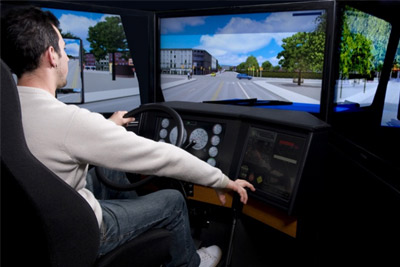
Ensuring road safety has never been more critical in today’s fast-paced world. As traffic conditions become increasingly complex, there is a growing need for innovative methods in driver training. One pivotal advancement in this space is using a professional truck driving simulator. These simulators provide an environment where drivers can hone their skills amidst simulated traffic scenarios, hazardous weather conditions, and unexpected road obstacles—all without the actual dangers associated with on-road learning.
Traditional on-road training often involves real-world risks that can overwhelm new drivers. Simulators mitigate these dangers by offering a virtual yet realistic training ground. This enables learners to build confidence as they practice handling difficult situations on the road, such as sudden braking, skid control, or navigating through heavy traffic. Moreover, simulator feedback is instantaneous, and trainers can adjust scenarios dynamically to target specific developmental needs.
How Simulators Work to Enhance Driving Skills
The function of simulators in boosting driving proficiency is rooted in their capacity to recreate real-life scenarios in a controlled setting. They use advanced software to mimic diverse road conditions—from urban streets teeming with pedestrians to expansive highways and rural paths. Trainees learn to perform intricate parking techniques, safe lane changes, and effective emergency braking maneuvers through these realistic simulations. This controlled repetition allows drivers to practice without fearing real-world repercussions, leading to improved muscle memory and decision-making under pressure.
Simulators also provide metrics that track progress, offering data-driven insights into areas that need refinement. Such analytics are invaluable, enabling instructors to tailor training programs to individual needs. Insights into reaction times, decision-making processes, and drivers’ psychological responses to various conditions contribute to a comprehensive training regimen beyond traditional methodologies.
Benefits of Using Driving Simulators
- Safe environment for learning: Driving simulators offer unparalleled safety for learners. By removing the element of actual danger, they create an ideal platform for drivers to learn from their mistakes without consequential risk.
- Cost-effective training: Utilizing simulators can reduce training costs. Since the training occurs virtually, fuel, vehicle wear and tear, and insurance expenses are minimized.
- Time-efficient learning process: Simulators condense the learning curve by allowing trainees to experience a wide range of scenarios quickly. This targeted approach expedites skill acquisition significantly.
Simulator Training in Various Industries
Simulator training is not confined to transportation. It finds applications in several sectors, such as aviation and healthcare, which have long adopted simulators to nurture essential skills among their personnel. Pilots, for instance, undergo flight simulations that combat various airborne challenges, preparing them for unexpected in-flight contingencies. Similarly, healthcare professionals use simulators to gain surgical precision and improve patient care practices. This cross-industry uptake of simulation technology highlights its versatility and the potential to enhance professional competencies universally.
The adoption of simulators across various sectors underscores the growing appreciation for digital training solutions prioritizing safety and efficiency. As industries worldwide strive to meet higher safety standards and optimize training processes, simulator-based education emerges as a key solution.
Adaptation of New Technologies in Simulators
Driven by advancements in Virtual Reality (VR) and Artificial Intelligence (AI), today’s driving simulators are more advanced than ever. These innovations have transformed simulators into sophisticated platforms that offer rich, immersive learning experiences. VR technology allows trainees to immerse themselves fully in driving scenarios, enhancing realism and engagement. In parallel, AI tailors training modules to suit individual learning curves by analyzing performance data and adjusting complexities accordingly. These combined technologies facilitate a dynamic, personalized learning environment that elevates the educational experience.
The technological integration in simulators significantly enhances driving safety by enabling training that parallels real driving challenges. Such technologies are setting a new standard in driver education, promising better-prepared drivers and, consequently, safer roads.
Future Trends in Simulator Training
The field of simulator training is poised for significant growth and innovation. With ongoing developments in AI-powered simulation technologies, the scope for creating hyper-realistic training environments is expanding rapidly. These technologies promise to revolutionize training by providing systems that offer instant feedback, adapt to real-time user inputs, and accurately simulate various driving and transportation conditions.
Anticipated future trends include leveraging machine learning to provide real-time analysis and enhance the learning experience. Such innovations have the potential to make simulator-based training indispensable, ensuring that drivers across industries are equipped with the necessary skills to operate safely and efficiently in today’s dynamic environment.
