
Strong teeth do not come from luck. They come from simple daily choices that protect your mouth before problems start. Preventive dentistry keeps you out of the dental chair for emergencies and away from avoidable pain. You learn how to stop small issues before they turn into deep cavities, broken teeth, or infections. This blog shares four clear strategies you can use right away. You will see how routine cleanings, smart home care, healthy food, and early treatment work together. Each step is direct and easy to follow. You do not need special products or complex routines. You only need steady habits and clear guidance. A trusted family dentist in Dedham can walk you through these steps and help you stay on track. You deserve teeth that feel strong when you eat, speak, and smile. Start protecting them today, before the damage begins.
1. Keep a steady brushing and flossing routine
Tooth decay starts when sticky plaque sits on your teeth. You remove most plaque with a toothbrush and floss. You only need a few clear steps.
- Brush twice each day for 2 minutes
- Use fluoride toothpaste
- Floss once each day
First, brush in the morning. This clears the plaque and acid that build up while you sleep. Then brush again before bed. That night brushing is your strongest protection. It removes food and plaque so they do not sit on your teeth all night.
Next, floss each day. A toothbrush cannot reach between teeth. Plaque trapped there leads to decay and sore gums. Slide the floss up and down along each tooth. Move gently under the gumline. You stop bleeding and swelling when you stay consistent.
Finally, replace your toothbrush every 3 to 4 months. Frayed bristles do not clean well. If you have trouble with hand control, you can use a powered brush. The key is steady use, not fancy gear.
2. Use fluoride and sealants to strengthen at-risk teeth
Fluoride and sealants give extra strength to teeth that face more risk. Children and teens gain the most, but adults gain protection as well.
First, fluoride. Fluoride rebuilds weak spots in enamel before a cavity forms. It also makes teeth more resistant to acid from food and bacteria. You can support your teeth with:
- Fluoride toothpaste
- Fluoride mouth rinse, if your dentist suggests it
- In-office fluoride treatments during checkups
The Centers for Disease Control and Prevention explains how community water fluoridation reduces tooth decay for children and adults.
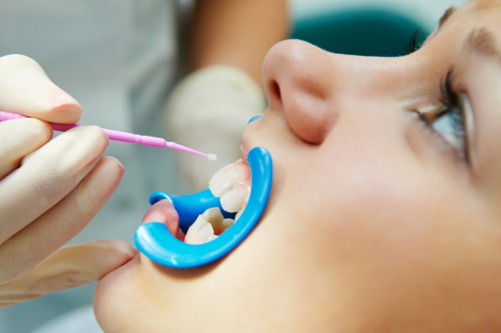
Second, sealants. Sealants are thin coatings your dentist places on the chewing surfaces of back teeth. Those grooves trap food and plaque. Sealants block that trap. They reduce the chance of cavities in those teeth.
Children usually get sealants on the first and second permanent molars. Adults with deep grooves or early decay can benefit too. The process is quick and painless. Your dentist cleans the tooth, prepares the surface, and then paints on the sealant. It hardens and acts like a shield during chewing.
3. Choose food and drinks that protect teeth
What you eat and drink shapes your oral health all day. Each snack and sip either feeds cavity-causing bacteria or slows them down.
The main culprits are:
- Sugary drinks like soda, sports drinks, and sweetened tea
- Sticky snacks like gummies, fruit snacks, and caramels
- Frequent sipping or grazing that never gives your mouth a break
Instead, reach for protective choices. The National Institutes of Health shares that cheese, milk, and yogurt can support enamel through calcium and protein.
Here is a simple comparison of common choices and their effect on teeth:
| Choice | Effect on Teeth | Better Option |
|---|---|---|
| Soda or sports drink | High sugar. Acid weakens enamel. | Water or unsweetened tea |
| Gummies or fruit snacks | Sticky sugar sits in grooves. | Fresh fruit like apples or pears |
| Cookies between meals | Frequent sugar feeds bacteria. | Cheese, nuts, or plain yogurt |
| Constant sipping on juice | Long acid exposure. | Juice with meals only |
You do not need a perfect diet. You only need three key habits. First, limit sugary snacks and drinks. Second, drink water throughout the day, especially after meals. Third, keep treats with meals instead of between them. That way, your mouth has time to recover.
4. Schedule regular checkups and treat problems early
You cannot see every problem in your mouth. Small cavities and gum disease often start without pain. Regular checkups give you early warning and simple fixes.
Plan to see your dentist at least twice each year. Your dentist may suggest more visits if you have a higher risk of decay or gum disease. Each visit usually includes:
- A cleaning to remove plaque and hardened tartar
- A check of your teeth, gums, and bite
- X-rays, when needed to find hidden decay
Early treatment is always easier. A small cavity often needs a simple filling. If you wait, that same spot can reach the nerve and require a root canal or even removal. The same is true for gums. Mild bleeding can be reversed with cleaning and home care. Advanced gum disease can cause loose teeth and bone loss.
Regular visits also give you tailored advice. Your dentist can point out where you miss with your brush. Your hygienist can show you a flossing method that fits your hands and your mouth. You get real guidance, not guesswork.
Putting the four strategies together
These four strategies work best as a set.
- Daily brushing and flossing remove plaque
- Fluoride and sealants strengthen weak spots
- Smart food and drink choices cut down acid attacks
- Regular checkups catch problems while they are small
When you use all four, you build a strong defense. Your teeth stay stronger. Your gums stay calmer. Your breath stays fresher. You also reduce the chance of sudden toothaches that disrupt school, work, or family plans.
You can start today. Pick one change to begin. Brush for a full 2 minutes tonight. Swap one sugary drink for water. Call your dentist to schedule a cleaning. Each small step protects your smile and your comfort.
