
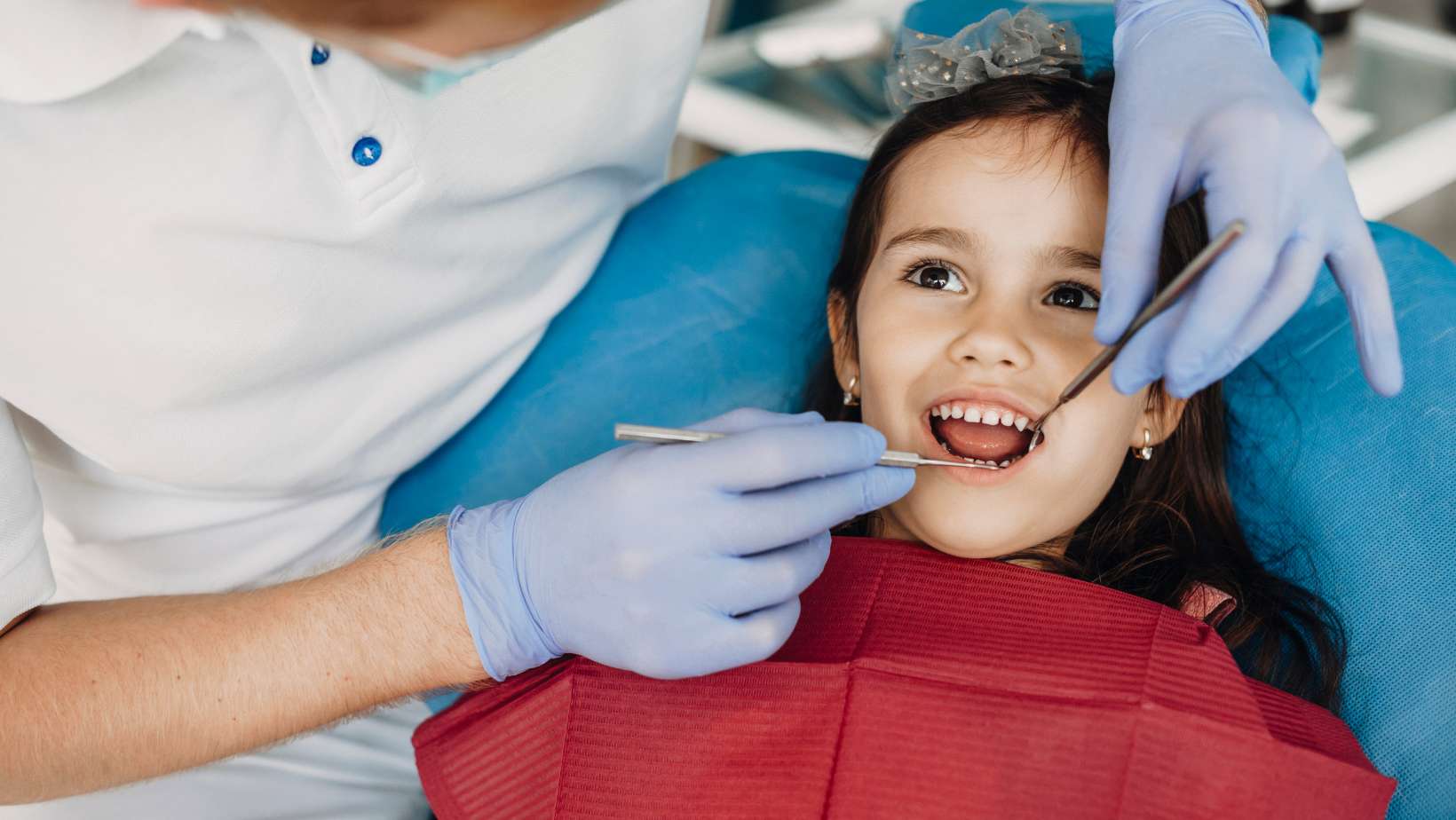
You might still hear the sound in your head. A thud on the court, a stick to the face, a fall off the scooter. Your child looks up at you with a bloody mouth, a tooth that looks “wrong,” and your heart drops. Before that moment, sports meant fun and exercise. After, all you can think is “Did we just ruin their smile?” and “What do I do now?” A kids dentist in Killeen can help you answer that question and protect your child’s smile.
That mix of panic, guilt, and confusion is completely human. You might be replaying the moment, wondering if a mouthguard would have helped, or if you should have reacted faster. You may also be afraid of the dentist visit itself and what it will mean for your child’s future teeth, comfort, and confidence.
Here is the simple summary. Pediatric dentists are trained specifically to handle sports related dental trauma in children. They know how to protect developing teeth, calm frightened kids, and guide anxious parents. There are things you can do in the first minutes after an injury that truly matter. There are also clear guidelines that pediatric dentists follow, based on strong research, to give your child the best chance at a healthy smile again.
What actually counts as sports dental trauma in kids?
Sports injuries to the mouth are more common than many parents realize. It is not just about a completely knocked out tooth. Pediatric dentists see chipped teeth, teeth pushed out of position, cuts to the lips and gums, and injuries to baby teeth that can affect developing adult teeth underneath.
So where does that leave you when something happens during a game or practice? The first challenge is simply recognizing what is an emergency and what can safely wait. A small chip that does not hurt is very different from a loose front tooth that changes color or a tooth that has been knocked out of the mouth.
Professional groups like the American Academy of Pediatric Dentistry have clear guidance on preventing sports related orofacial injuries, and those same experts inform how pediatric dentists respond when prevention fails. The key idea is this. Your child’s mouth is still growing. That makes injuries more complicated, but it also gives dentists more options to guide healing.
Why do these injuries feel so overwhelming for parents?
The physical injury is only part of the story. There is the pain your child feels, the blood that can make even minor injuries look terrifying, and the fear that this will change their smile forever. You might worry about school photos, teasing, or how your child will feel looking in the mirror.
There is also the practical side. You may be thinking about cost, time off work, and whether this means a long road of orthodontics or cosmetic work. It can feel unfair that something that happened in a split second might have such a long shadow.
On top of that, sports injuries often happen at inconvenient times. Evenings. Weekends. Tournaments out of town. Because of this tension between urgency and uncertainty, many parents freeze and do nothing, or they try “home fixes” that unintentionally make things harder for the dentist later.
So how do pediatric dentists step into that chaos and bring some order back?
How pediatric dentists respond in the first visit
When you arrive, a pediatric dentist is not just looking at a broken tooth. They are looking at a child who is scared, a parent who is stressed, and a mouth that is still developing. Their first job is to calm everyone down. That often means talking gently with your child, explaining each step, and reassuring you that there is a clear plan.
From there, they follow well established trauma guidelines, such as those from the International Association of Dental Traumatology. These guidelines help them decide how urgent the problem is and what treatment is most likely to succeed.
For example, with sports dental injury treatment for kids, they consider:
- Is the tooth a baby tooth or a permanent tooth
- Was the tooth chipped, cracked, loosened, pushed in, or knocked out
- How much time has passed since the injury
- Whether the child can cooperate comfortably or needs extra support
In many cases, the first visit is about stabilizing things. That might mean smoothing a sharp edge, repositioning a tooth, placing a small splint, or treating pain and infection risk. The true “end result” may come later, after the dentist watches how the tooth and bone heal over weeks or months.
Recent research, such as a 2024 study on outcomes after dental trauma in children published on PubMed, shows that follow up is just as important as the first emergency visit. Pediatric dentists understand that trauma can affect how teeth develop, so they tend to schedule check ins to catch any late changes in color, shape, or root health.
What if I try to manage things myself first?
In those first stressful minutes, you might be tempted to “wait and see” or to search social media for quick fixes. Some home steps are helpful, like gently rinsing the mouth or trying to place a knocked out adult tooth back in its socket. Others, like scrubbing the tooth clean or ignoring a loose tooth, can reduce the chance of full recovery.
So how do you weigh what to do yourself and when to involve a pediatric dentist right away?
| Situation | What parents can do immediately | Why a pediatric dentist is important |
| Small chip with no pain | Rinse mouth, watch for sensitivity, call for next available appointment | Checks for hidden cracks, protects nerve, smooths or restores tooth for comfort and appearance |
| Large fracture or visible pink/red inside tooth | Control bleeding with gentle pressure, keep child calm, avoid chewing on that side | Urgent care to protect the nerve and prevent infection, often same day treatment |
| Tooth knocked out (adult tooth) | Pick up by the crown, gently rinse if dirty, try to place back in socket, or store in milk and go immediately | Time sensitive. Best chance to save the tooth if treated within an hour |
| Tooth knocked out (baby tooth) | Do not reinsert. Rinse mouth, control bleeding, comfort child | Checks for damage to developing adult tooth and plans for space maintenance if needed |
| Tooth hit and now loose or pushed out of place | Soft diet, avoid wiggling the tooth, call immediately | Can gently reposition and stabilize tooth. Reduces long term damage to root and bone |
This is why “DIY only” is risky. You can do a lot to help in the moment, but only a trained pediatric dentist can assess roots, bone, and future growth and then build a long term plan.
Three steps you can take right now to protect your child
1. Learn the “first five minutes” rules before you need them
When you are calm, it is much easier to act quickly later. The key points are simple.
- For a knocked out adult tooth, keep it moist and get to a dentist fast
- Do not try to put a baby tooth back in
- Control bleeding with gentle pressure using clean gauze or cloth
- Call a pediatric dentist as soon as you can for guidance, even if you are unsure how serious it is
Writing these on a note in your phone or in your sports bag can make a stressful moment feel more manageable.
2. Ask your child’s dentist about prevention during sports
Even if your child has never had an injury, now is the time to talk about mouthguards and safety habits. Custom mouthguards, which a dentist can provide, tend to fit better and be more comfortable than the “boil and bite” versions from stores. That means kids are more likely to actually wear them.
You can also ask about which sports or positions carry more risk and how to set expectations with coaches. Many parents do not realize that even non contact sports can cause dental injuries through falls or collisions.
3. Plan for follow up, not just the emergency visit
After the initial shock fades, it is easy to move on and assume that no news is good news. With kids’ dental trauma care, though, some problems show up later. Teeth can darken, roots can stop developing, or gums can react in subtle ways.
Work with the pediatric dentist to keep those follow up visits on the calendar, even if everything “looks fine” day to day. Ask what warning signs to watch for at home, such as color changes, swelling, or sensitivity to hot and cold. That shared watchfulness between you and the dentist gives your child the best chance of long term health and a confident smile.
Moving forward after a sports injury to your child’s teeth
You did not choose this. You did not plan for a broken tooth or a bloody lip in the middle of what was supposed to be a normal practice or game. Yet here you are, trying to make the best decisions you can for your child with limited time and a lot of emotion.
Here is the reassurance you deserve. With quick action from you and focused care from a pediatric dentist, many children heal well from sports related dental trauma. Their smiles can be restored, their confidence can return, and the story of “that one time I got hit in the mouth” becomes just that, a story, not a life defining moment.
If you are facing a recent injury, reach out to a trusted pediatric dental office and tell them exactly what happened and when. Ask how soon your child should be seen, what to do in the meantime, and what the likely next steps will be. If you are reading this in a quiet moment, use it as a prompt to ask about sports protection at your child’s next regular visit.
You do not have to be an expert in dental trauma. You only need to know that help is available, that your concern matters, and that with the right support, your child can keep playing, smiling, and growing with confidence.
