
Key Takeaways
- Apartment compactors minimize waste volume, reducing both landfill use and collection frequency.
- They facilitate recycling and enhance urban aesthetics.
- Compactors contribute to sustainability goals like LEED certification.
Table of Contents
- Introduction to Apartment Compactors
- Reducing Waste Volume Significantly
- Promoting Recycling and Resource Recovery
- Contributing to Cleaner Urban Air
- Enhancing Urban Aesthetics
- Saving Operational Costs for Property Managers
- Compatibility With Green Building Certifications
- Creating Awareness and Engagement
Introduction to Apartment Compactors
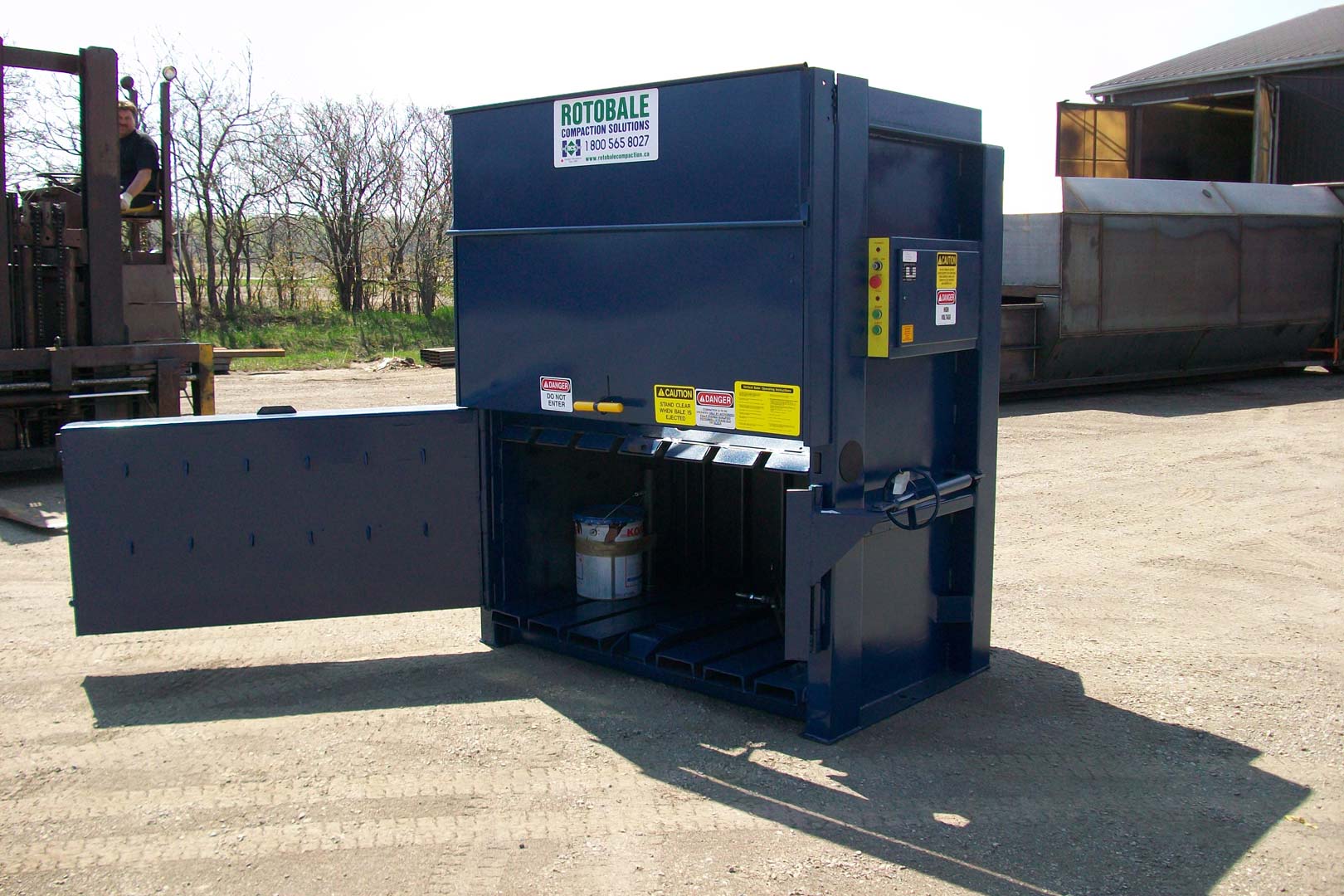
Waste management has become a critical concern in urban areas. The advent of tools like the apartment waste compactor presents a solution that bridges the gap between efficient waste management and environmental sustainability. Although not entirely novel, these compactors have gained considerable attention due to their ability to significantly reduce the ecological impact of waste disposal in residential settings.
At their core, apartment compactors condense waste, making it easier to manage and dispose of. This simple yet effective action offers numerous eco-friendly advantages for property managers, residents, and the broader environment. This essay will cover the many advantages of apartment compactors for contemporary urban living.
Reducing Waste Volume Significantly
The primary advantage of apartment compactors is their ability to reduce waste volume significantly. By compacting waste, these machines significantly decrease the space required for waste storage, thereby freeing up valuable landfill space. This efficiency addresses current waste management challenges and offers a robust approach to managing future waste demands as urban populations grow.
Furthermore, reducing waste volume translates to fewer waste collection trips, directly impacting the carbon footprint associated with waste transportation. Fewer vehicle trips mean decreased emissions from collection trucks, leading to a reduction in air pollutants that affect urban air quality. Overall, this reduction supports broader environmental goals by curbing greenhouse gas emissions and limiting the reliance on fossil fuels.
Promoting Recycling and Resource Recovery
In addition to compacting waste, these machines are pivotal in promoting recycling. Compaction often involves sorting capabilities, allowing for better separation of recyclable materials from general waste. This enhanced separation facilitates the recovery and recycling of materials, thereby reducing the consumption of natural resources and lessening environmental degradation.
The benefits of recycling cannot be overstated. According to the Environmental Protection Agency, recycling effectively conserves energy, reduces pollution, and decreases greenhouse gas emissions, all essential for combating climate change. Communities can proactively enhance recycling programs and contribute to a circular economy by incorporating apartment compactors into waste management systems.
Contributing to Cleaner Urban Air
Air pollution remains a significant concern for urban areas globally. Apartment compactors mitigate this issue by reducing the frequency of refuse collection and, consequently, the emissions associated with waste transportation. Each avoided trip equates to less diesel exhaust, a common contributor to urban air pollution.
Moreover, compactors inhibit the decomposition of organic waste, which, if left unchecked, can produce methane—a potent greenhouse gas. By delaying this process, compactors reduce the amount of hazardous gasses released into the environment, which supports efforts to enhance city air quality.
Enhancing Urban Aesthetics
The visual appeal of residential communities can significantly impact residents’ quality of life. Overflowing dumpsters and unsightly waste piles are common complaints that decrease property appeal and resident satisfaction. Apartment compactors better manage and contain waste, which helps maintain clean and organized waste collection zones.
This aesthetic improvement benefits the residents and enhances the property’s marketability. Properties prioritizing cleanliness and organization are more likely to attract prospective renters, further supporting the need for compactor investments for property managers.
Saving Operational Costs for Property Managers
Apart from their environmental benefits, apartment compactors are economically advantageous for property managers. Reduced waste collection requirements mean significant cost savings on waste disposal services. Compactors also prevent overuse and damage to waste containers, leading to lower maintenance expenses.
When channeled effectively, these savings can be reinvested into other green initiatives or property improvements, creating a positive cycle of environmental consciousness and economic efficiency.
Compatibility With Green Building Certifications
Implementing apartment compactors supports a property’s alignment with green building certifications, such as LEED. These certificates evaluate and honor buildings for their sustainable practices, increasing their appeal to buyers and renters who care about the environment.
By incorporating eco-friendly waste management solutions, property owners enhance their building’s certification potential and contribute to overall sustainability achievements that benefit the wider community and environment.
Creating Awareness and Engagement
Installing apartment compactors offers a unique opportunity for engaging residents in sustainability discussions. Education on proper waste disposal and recycling is critical to maximizing the environmental benefits of compactors. Residents who understand the impact of their waste habits are more likely to participate actively in sustainability efforts.
Property managers can cultivate a culture of awareness and engagement to encourage tenants to adopt eco-friendly habits in their daily lives. This will contribute to the development of a community-driven approach to environmental stewardship. Platforms like Green Matters provide valuable resources for living sustainably.
Conclusion
In conclusion, apartment compactors provide a strategic solution to the multifaceted challenges of waste management in urban environments. They offer practical reductions in waste volume and operational costs and align with broader sustainability goals by promoting recycling and cleaner air standards. As we continue to navigate the issues of urban growth and environmental responsibility, embracing these concepts is crucial to building a sustainable future for future generations.
