
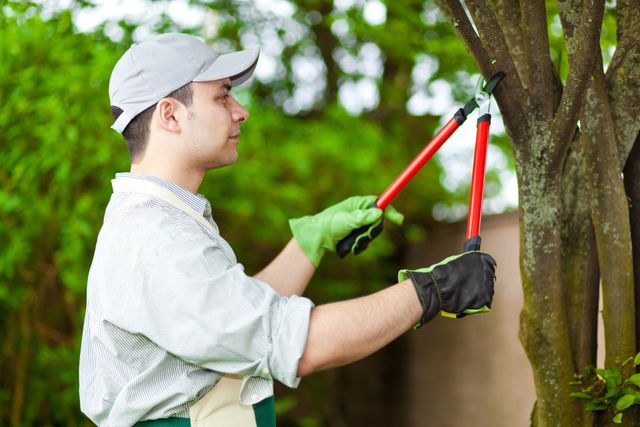
Tree trimming is a critical aspect of landscape maintenance, preserving the health and appearance of trees while ensuring the safety of the surrounding environment. Since weather conditions can affect tree stability, proper trimming becomes even more essential. If you’re managing or planning tree services, here are some important safety tips to consider when carrying out tree trimming tasks.
Understanding the Risks of Tree Trimming
Tree trimming in urban areas carries inherent risks, from falling branches to the use of powerful equipment, making safety a top priority. Recognizing these hazards is essential to reducing them and creating a secure environment for both the workers and property owners involved.
Use the Proper Safety Gear
Personal Protective Equipment (PPE): Always wear the appropriate safety gear, including helmets, gloves, goggles, and protective clothing. This equipment protects against flying debris, falls, and cuts, which are common in tree trimming operations.
Harnesses and Ropes for Height Safety: For high tree trimming, using safety harnesses and ropes is essential. They prevent falls from heights, which are among the most severe hazards in this line of work.
Check Equipment Before Use
Before beginning any tree trimming project, take the time to inspect all your equipment carefully. This includes chainsaws, ladders, and any other tools or machinery you plan to use. Ensure that everything is in proper working condition and that all safety features are fully functional. Performing regular maintenance checks is essential to prevent accidents caused by equipment failure, keeping your tasks safe and efficient.
Be Mindful of the Weather
Adverse weather conditions can significantly affect the safety of tree trimming. It’s essential to avoid working during high winds, rain, or lightning storms, as these conditions can shift rapidly and pose serious risks. Wet branches become slippery, increasing the chance of accidents, while strong winds can cause trees and limbs to fall unpredictably. Prioritizing safe weather conditions is crucial for a successful and secure tree trimming process.
Know the Area and Plan Your Work
Survey the Site: Before beginning any trimming, assess the area thoroughly. Look for hazards such as power lines, nearby structures, and other obstacles that could complicate the trimming process.
Clear the Area: Ensure that the work area around the tree is clear of people, pets, and non-essential items. Falling branches and debris pose a risk to anything in the tree’s vicinity.
Proper Techniques for Cutting and Trimming
Cutting Techniques: Learn the correct cutting techniques to help control the direction in which large branches fall. Notches and hinge cuts are crucial for guiding the fall of branches safely and accurately.
Avoid Overreaching: Never overreach while on a ladder or in a tree. Overreaching can cause you to lose balance and fall or could lead to improper cuts, which can cause uncontrolled falls of branches.
Handling Debris and Cleanup
Properly managing and disposing of debris after trimming is crucial to prevent accidents like trips or slips caused by leftover materials. Maintaining a clean workspace and clearing debris as you go ensures better visibility and unrestricted movement around the site.
Training and Professional Assistance
For large-scale tree trimming projects or working with mature trees, it’s best to rely on professional expertise. Trained arborists possess the skills, experience, and specialized equipment needed to ensure the job is done safely and effectively. Hiring a professional tree service not only minimizes risk but also guarantees high-quality results.
Conclusion
Tree trimming in Salt Lake City is vital for keeping your property safe, healthy, and visually appealing. Regular pruning prevents overgrown branches from causing damage, promotes tree health, and enhances the beauty of your landscape. However, tree trimming comes with risks, including falling branches, sharp tools, and working at heights. To reduce these hazards, follow essential safety tips: wear protective gear, use proper tools, and stay aware of your surroundings. For larger or more complex tasks, hiring professionals is a smart choice to ensure the job is done safely, efficiently, and without unnecessary risk.
