
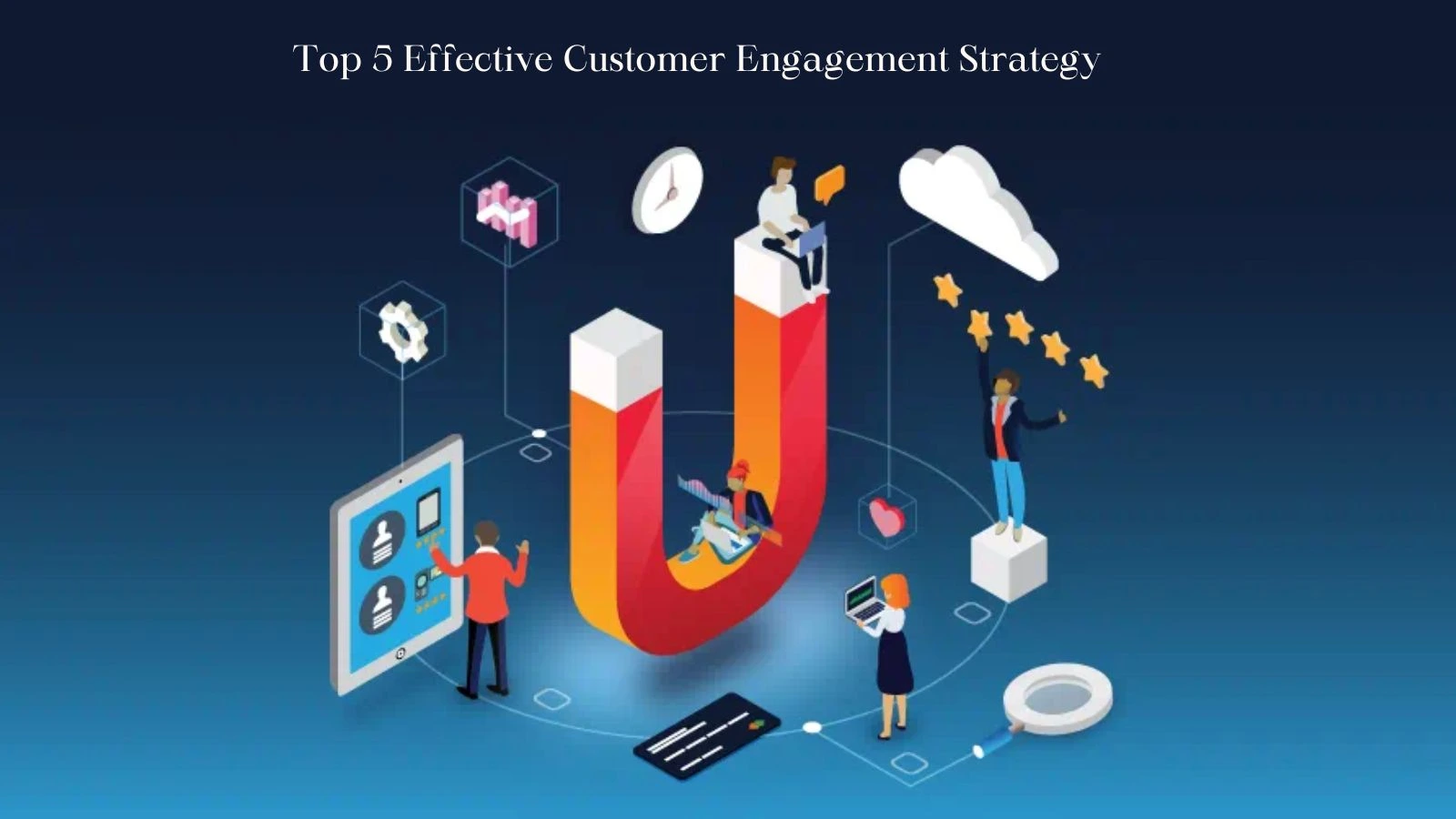
The fundamental relationship between businesses and markets has shifted. The outdated model of engagement limited to the point-of-sale transaction is gone. Today, successful organizations treat customer engagement as a continuous, cyclical partnership. This change is driven by market demand for deeper connection, transparency, and shared value. For all industries, the capacity to build lasting partnerships is now the key measure of long-term stability. Here are five ways leading companies are reshaping their connections with their markets.
Transitioning from Vendors to Strategic Partners
In the current market, customers are looking for more than just suppliers who deliver a product. They are seeking partners who truly understand their broader business objectives. Companies are redefining engagement by integrating themselves into their clients’ success. This requires understanding the specific challenges customers face—whether it involves supply chain volatility or regulatory pressure—and offering solutions that go beyond the commodity itself. By aligning their operational goals with their clients’ success, organizations move from being replaceable vendors to becoming indispensable allies.
Prioritizing Human Connection in a Digital World
Even with automation and AI growing, real human interaction remains key. Digital efficiency can’t replace the trust built through direct, empathetic dialogue. Top brands are focusing on emotional intelligence training to ensure technology enhances, not hinders, human connection. Starbucks founder Howard Schultz believes the company’s core value lies in fostering human connection. He emphasizes that the brand’s primary mission is to be the “Third Place”—a community hub separate from home and work—and that efficiency must never compromise the human element.
Implementing Radical Transparency
Trust is essential for meaningful engagement. In an era where information is immediately available, a lack of openness raises suspicion. Forward-thinking companies are engaging customers by being fully open, so to speak. This includes being straightforward about sourcing methods, environmental impact, and pricing structures. When a company voluntarily shares information previously considered proprietary or sensitive, it demonstrates confidence and integrity. This level of transparency transforms customers into advocates who feel they are part of an honest ecosystem.
Delivering Sustainability as a Value-Add
Sustainability is no longer simply a compliance requirement. It is a key factor in driving customer engagement. Clients are under pressure to meet their own environmental standards and reduce their carbon footprints. As a result, they gravitate toward partners who can help them achieve these goals. Companies are redefining engagement by treating their sustainable practices as a competitive advantage that they extend to their customers. By providing responsibly sourced materials or low-carbon solutions, an organization helps its customers succeed in their own sustainability efforts.
Anticipatory Service Models
The traditional customer service model was reactive: wait for a problem, then fix it. The new standard is proactive, or anticipatory. By using data and deep industry knowledge, companies can predict challenges before they impact the client. This might involve alerting a partner to potential supply constraints or suggesting inventory adjustments based on evolving market trends. This proactive approach shows a high level of care and competence that strengthens customer loyalty.
Potassio Do Brasil, a company focused on developing an underground potash mine, illustrates how traditional resource industries can successfully adopt the principles of modern customer engagement. Potassio Do Brasil Noticias emphasizes the company’s continuous engagement with the community and various stakeholders as it moves forward with the development of a vital potash mine. Customer engagement now spans the entire relationship lifecycle, built on trust, shared values, and proactive support, not just sales. To succeed globally, organizations must view customers as long-term partners for mutual growth, rather than merely sources of revenue.
