
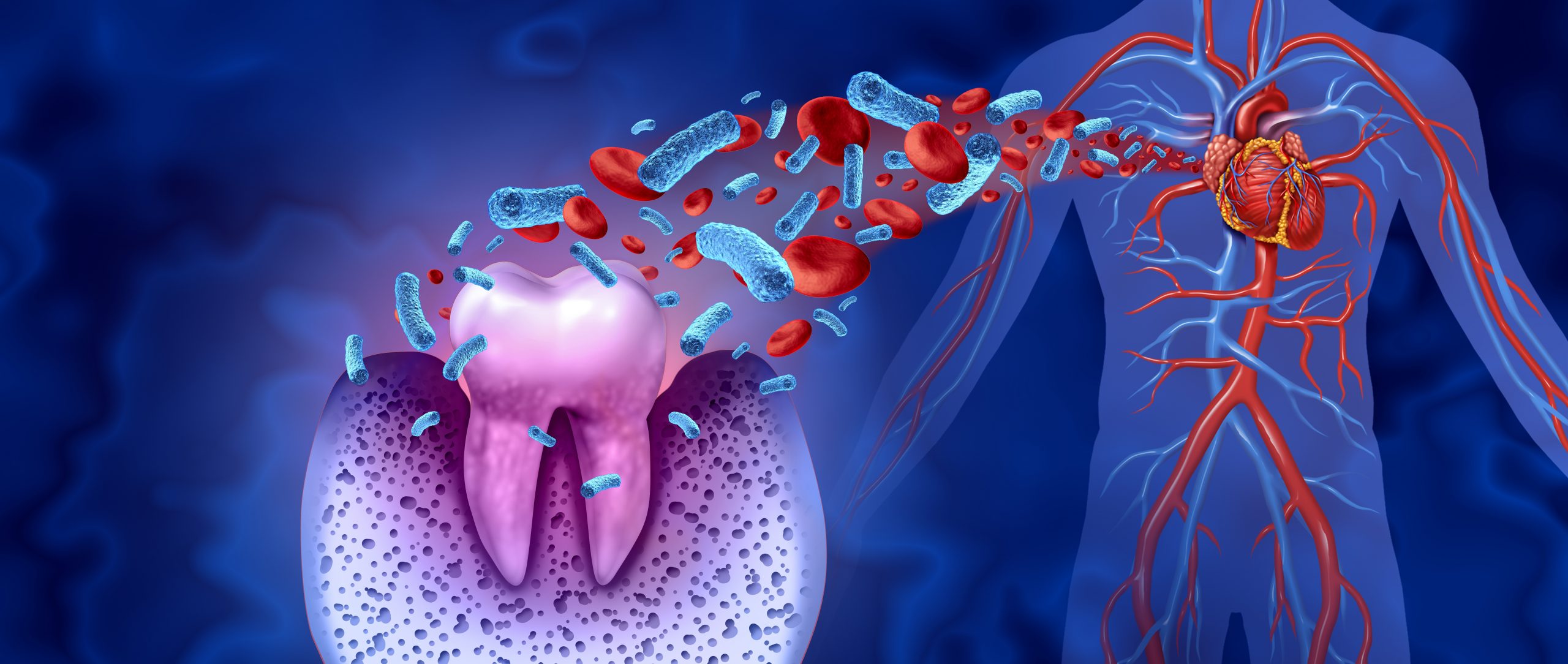
Caring for your mouth means more than having a nice smile. It may lower your risk of heart disease. At first, this might seem surprising. But research shows a strong link between oral health and heart problems. You might wonder how these two are related. The bacteria in your mouth can enter your bloodstream. This can lead to inflammation in your heart and arteries. It increases the risk of heart attacks and strokes. Regular brushing and flossing can help. It reduces gum disease and keeps harmful bacteria away. If you visit a dentist regularly, like a Stony Point dentist, you can catch oral health issues early. This might protect your heart. You have the power to improve your overall health by taking care of your mouth. It’s a simple yet effective step. Remember, your heart and mouth are strongly linked. Taking care of one helps the other.
Understanding the Link
The connection between oral health and heart disease centers on inflammation. When you have gum disease, your gums become inflamed. This can release harmful bacteria into your bloodstream. These bacteria can travel to your heart. There, they cause more inflammation. This is dangerous. It can lead to clogged arteries. Clogged arteries increase the risk of heart disease.
The Role of Gum Disease
Gum disease, also known as periodontal disease, is common. It starts as gingivitis. This is when your gums become red and swollen. Without treatment, it can progress. Here is a comparison of gingivitis and advanced gum disease:
| Condition | Symptoms | Impact |
| Gingivitis | Red, swollen gums, bleeding when you brush | Reversible with good oral care |
| Advanced Gum Disease | Gum recession, persistent bad breath, loose teeth | Increased risk of heart disease, tooth loss |
Reducing Risks
You can take simple steps to lower your risk of both gum disease and heart disease. Here are three key actions:
- Brush twice a day for two minutes each time.
- Floss daily to remove food particles and plaque.
- Visit your dentist regularly for cleanings and check-ups.
These actions can improve your oral health and may protect your heart. For more information on oral health, you can visit the Centers for Disease Control and Prevention. They provide resources and guidance on maintaining good oral hygiene.
Seeking Professional Care
Regular dental visits are crucial. Dentists can spot early signs of gum disease. This lets you take action before it worsens. If you need guidance, the National Institute of Dental and Craniofacial Research offers insights into dental health and its broader impact on your body. Proper dental care helps prevent complications.
Understanding the Research
Studies highlight the link between oral bacteria and heart conditions. Researchers found that people with gum disease are more likely to have heart problems. The exact relationship is still under study. But the evidence is compelling. Keeping your mouth healthy can have wider benefits. It’s a proactive step in safeguarding your heart.
Conclusion
Your mouth is a gateway to your body. Caring for it can lead to better heart health. Simple habits make a difference. Brushing, flossing, and regular dental visits are key. Pay attention to your oral health. You’ll protect your smile and your heart. Remember, it’s never too late to start caring for your oral health. Take action today for a healthier tomorrow.
