
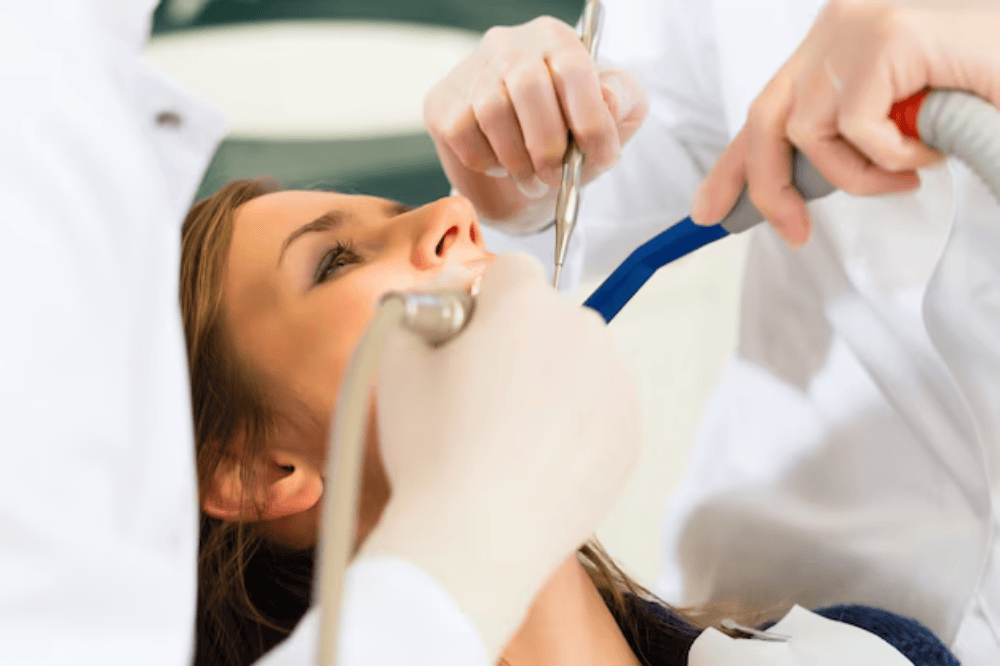
You might be feeling a little guilty every time a dental reminder pops up on your phone. Maybe one of your kids already has a cavity, or you are worried about the cost of crowns or root canals if things keep heading in the same direction. Visiting a cosmetic dentist Oshawa can help you feel more in control of your oral health and long-term smile goals. It can feel like you are always reacting to problems instead of staying ahead of them.end
Then there is the “after.” After the toothache. After the missed school day. After the surprise bill. You get through it, but you are left wondering if there was a way to avoid all of that in the first place.
That is where preventive dentistry for families changes the story. Instead of waiting for teeth to break or decay to spread, you learn how to protect your family’s mouths so those bigger restorative treatments become far less likely. Regular cleanings, simple daily habits, and early checks catch problems when they are small, cheaper, and easier to fix. In many cases, they never grow into problems at all.
So, where does that leave you right now? You do not need to become a dental expert. You only need a clear picture of what prevention really looks like, why it matters, and some simple steps you can start today.
Why does it feel like cavities and dental work are just “part of life” for families
Many parents grew up thinking that “everyone gets cavities” and that fillings and crowns are just part of getting older. You might have had your own share of dental work and assumed your kids would go through the same thing.
The truth is different. Most common dental problems are preventable. According to the Centers for Disease Control and Prevention, tooth decay is one of the most common chronic diseases in children, yet it is largely avoidable with good preventive care. You can read more about this in the CDC’s overview of oral health prevention.
The problem is that life is busy. Between school, work, activities, and everything else, it is easy for brushing, flossing, and routine checkups to slip from “important” to “when we have time.” By the time a tooth hurts, the damage is already done.
Because of this tension, you might wonder if it is really worth the effort to push preventive care when things seem “fine enough” right now.
What happens when prevention is skipped, and why does it cost so much later
Imagine a typical scenario. Your child has a small cavity that you cannot see, and they cannot feel it yet. There is no pain. Life is busy, so the six-month checkup gets pushed back a few times.
During that time, the cavity grows. It reaches deeper layers of the tooth. Now your child feels sensitivity. By the time you get to the dentist, a simple filling is no longer enough. You might be looking at a large filling, possible nerve treatment, or even a crown later in life on that same tooth. More time. More cost. More stress.
The same pattern shows up in adults. Bleeding gums that are ignored can progress to gum disease. Gum disease can lead to bone loss, loose teeth, and eventually extractions, dentures, or implants. What started as mild inflammation that could be improved with cleanings and better home care can turn into complex, expensive treatment.
This is why many families feel trapped by restorative dentistry. Fillings, crowns, and root canals are important services, but they are often the result of problems that started years earlier. Preventive family dental care aims to catch those issues early or stop them from starting at all.
So how exactly does preventive care change the outcome for you and your children.
How does preventive dentistry actually help your family avoid restorative treatments
Preventive dentistry focuses on three main areas. Professional care, home habits, and early intervention.
At the dental office, regular checkups and cleanings remove hardened plaque that brushing and flossing miss. This reduces the bacteria that cause cavities and gum disease. X-rays and exams help your dentist spot tiny areas of decay before they turn into something that needs a crown or root canal. Fluoride treatments strengthen enamel and can even help reverse early decay.
At home, daily brushing and flossing interrupt the cycle of plaque buildup. The CDC offers simple, practical oral health tips for children that can guide you on brushing frequency, toothpaste amounts, and more. Flossing is especially important because many cavities start between teeth where the brush cannot reach. For caregivers of children, this resource on flossing for kids and caregivers explains how and when to help.
Early intervention ties it all together. Small cavities can be treated quickly with minimal work. Deep grooves in children’s molars can be sealed before bacteria settle in. Slight alignment issues can be monitored so they do not damage teeth or gums later. The goal of family preventive dental care is simple. Keep teeth strong and healthy, so restorative dentistry becomes the exception, not the rule.
How do preventive and restorative treatments compare for real families
It can help to see the difference laid out clearly. The time, cost, and emotional impact are very different when you choose prevention over repair.
| Aspect | Preventive Dentistry | Restorative Dentistry |
|---|---|---|
| Typical visits | Checkups and cleanings every 6 months, short and predictable appointments | Visits when something hurts, often longer and sometimes urgent |
| Common services | Cleanings, exams, X-rays, fluoride, sealants, home care guidance | Fillings, crowns, root canals, extractions, dentures, implants |
| Average cost over time | Lower and spread out, easier to plan into a family budget | Higher, often sudden costs that can strain savings or credit |
| Comfort for children | Usually painless, helps build trust and reduce fear | May involve shots, drilling, and anxiety about pain |
| Impact on school and work | Planned visits with less disruption | Unplanned time off due to emergencies and longer procedures |
| Long term outcome | Stronger natural teeth, fewer major problems | More repaired teeth that may need future work or replacement |
Looking at this, you can see why focusing on prevention is not just about teeth. It is about your schedule, your budget, and your family’s peace of mind.
What can you do right now to protect your family’s teeth
You do not need a complete life overhaul to benefit from prevention. A few focused changes can make a real difference.
1. Set a simple, non-negotiable home routine
Commit to brushing twice a day for everyone in the family. For kids, make it a shared activity rather than a rushed chore. Put on a two-minute song. Brush together in the hallway bathroom. Use a sticker chart for younger children who like visible progress.
Add flossing once a day. For small children, you will likely need to do it for them or at least help. The caregiver guide to flossing from the NIDCR is a practical place to start. Keeping this routine “non-negotiable,” like buckling a seatbelt, reduces arguments and skipped nights.
2. Protect your six-month visits like important appointments
Treat preventive visits to your family dentist as essential, even when no one is in pain. Put them on a family calendar and schedule them at times that are easier to keep, such as early morning or late afternoon. Tell your children why you are going. You go to stay healthy and avoid big problems, not just to fix pain.
If cost is a concern, ask the office about insurance benefits, payment plans, or in-house preventive plans. Many practices offer reduced fees for regular cleanings and exams because they know prevention saves money and stress over time.
3. Make small, smart changes to food and drink habits
Teeth are under attack every time they are exposed to sugar and acid. You do not have to eliminate treats, but you can change how often and when they appear. Offer water instead of juice or soda with meals. Keep sugary snacks for specific times instead of constant grazing. Encourage rinsing with water after sweets.
These changes lower the number of “sugar attacks” on your family’s teeth throughout the day. Combined with brushing and flossing, this can dramatically reduce the chance of cavities that would later need fillings or more advanced treatment.
Where do you go from here
You may still feel a little overwhelmed, especially if your family has already had its share of fillings and urgent visits. That is understandable. You cannot change the past dental work, but you can change what happens from today forward.
When you focus on preventive dentistry, you give your children a different story than the one you might have grown up with. Fewer painful surprises. Fewer missed days. More calm, predictable visits where everyone leaves with a simple message. “Keep doing what you are doing.”
Start with one small step. Pick a date for your next checkup. Tighten up your brushing routine tonight. Use the trusted resources from the CDC on oral health prevention and their tips for children’s teeth as a reference. Each small choice moves your family further away from restorative treatments and closer to long-lasting, healthy smiles.
