
Gum disease, also known as periodontal disease, is one of the most common oral health problems worldwide. Despite its prevalence, many people overlook the early warning signs, allowing the condition to worsen over time. If left untreated, gum disease can lead to painful symptoms, tooth loss, and even affect overall health. The good news is that with early detection and the right treatment approach, gum disease is manageable, and your oral health can be restored. Here’s everything you need to know about effectively treating gum disease.
What is Gum Disease?
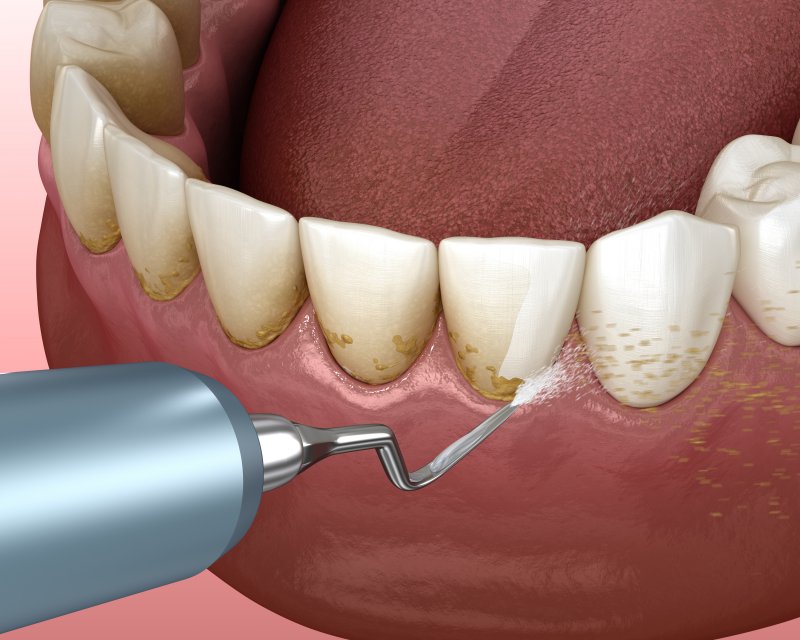
Gum disease is an inflammatory condition caused by plaque buildup along the gumline. Plaque, a sticky film of bacteria, forms on our teeth daily. When it isn’t removed through proper brushing and flossing, it can harden into tartar and irritate the gums. This leads to gingivitis, the earliest stage of gum disease.
If gingivitis isn’t treated, it can progress to periodontitis—a more severe form of the disease that damages the gums and the bone supporting your teeth. Early detection and treatment are critical to prevent complications.
Signs and Symptoms of Gum Disease
Wondering if you might have gum disease? Here are some common signs to look out for:
- Bleeding Gums: Particularly during brushing or flossing.
- Gum Redness and Swelling: Healthy gums should appear pink, not red or inflamed.
- Chronic Bad Breath (halitosis): Persistent bad breath can be a sign of bacterial buildup.
- Gum Recession: Teeth may appear longer because the gums are pulling away.
- Loose Teeth or changes in bite alignment.
- Pus Between Teeth and Gums: An indicator of infection.
If you notice any of these symptoms, consult a dentist promptly.
Professional Treatments for Gum Disease
The best treatment often involves professional dental care. Here are some common options provided by dentists:
Scaling and Root Planing
Also known as deep cleaning, this procedure removes plaque and tartar from below the gumline and smooths out the tooth roots to prevent bacteria from building up again.
Antibiotics
Dentists may prescribe topical gels or oral antibiotics to combat bacteria and reduce inflammation.
Surgical Interventions
Advanced cases of periodontitis may require surgery. Procedures like flap surgery (to thoroughly clean deeper tartar deposits) or bone grafts (to restore lost tissue and bone) are generally recommended for severe damage. In some cases, a tooth implant in Honolulu may also be a solution to replace teeth lost due to extensive periodontitis.
While professional treatments are crucial, maintaining healthy gums also depends heavily on at-home care.
At-Home Remedies and Practices
Taking proper care of your gums at home is the foundation of preventing and treating gum disease. Here’s how you can improve your oral hygiene routine:
- Brush Your Teeth Correctly: Use a soft-bristled toothbrush and fluoride toothpaste. Hold your toothbrush at a 45-degree angle to your gums and brush twice a day.
- Floss Daily: Flossing removes food particles and plaque from areas your toothbrush can’t reach.
- Use Mouthwash: Choose an antimicrobial mouthwash to reduce bacteria and plaque.
- Switch to an Electric Toothbrush: Electric toothbrushes are more effective at removing plaque compared to manual brushes.
The Role of Diet in Gum Disease
What you eat also has a significant impact on your gum health. Bacteria thrive on sugars and starches, so avoiding certain foods can improve your oral health.
Foods to Include in Your Diet:
- Leafy Greens: Packed with vitamins and minerals, they help boost gum health.
- Vitamin C-Rich Fruits (e.g., oranges, strawberries): Strengthen the gums and fight inflammation.
- Green Tea: Contains antioxidants that reduce gum inflammation.
- Calcium-Rich Foods (dairy, almonds): Helps maintain strong teeth and bones.
Foods to Avoid:
- Sugary snacks like candy or soda.
- Sticky foods that can cling to your teeth, such as caramel or dried fruit.
Think of your diet as fuel for your oral health—choose foods that nourish and protect your gums.
Lifestyle Changes for Preventing Gum Disease
Small adjustments to your daily habits can go a long way in preventing gum disease from recurring. Here are some simple lifestyle changes to consider:
- Quit Smoking: Studies show that smokers are at a significantly higher risk of gum disease.
- Limit Alcohol Consumption: Alcohol can dry out the mouth, reducing saliva production and creating an environment for bacteria to thrive.
- Stay Hydrated: Water not only washes away food particles but also promotes saliva production, which naturally cleanses the mouth.
- Manage Stress: High-stress levels weaken the immune system, making it harder to fight infection, including gum disease.
- Visit Your Dentist Regularly: Regular check-ups and cleanings are your best defense against gum disease.
By incorporating these habits into your daily routine, you contribute to the long-term health of your gums.
Conclusion
Gum disease can feel daunting, but it’s not a battle you have to face alone. By being proactive—recognizing the symptoms, seeking professional care, and establishing healthy habits—you can successfully restore your oral health and prevent future issues.
